
JOURNAL / TOOLS & POINT OF VIEW
A DIFFERENT WAY
OF SEEING
The Leica M EV1, Tokyo, and the value of taking your time.
A personal reflection on technique, intention and the cameras we choose.
01 / A PLACE ALONGSIDE
There is room for another way of looking
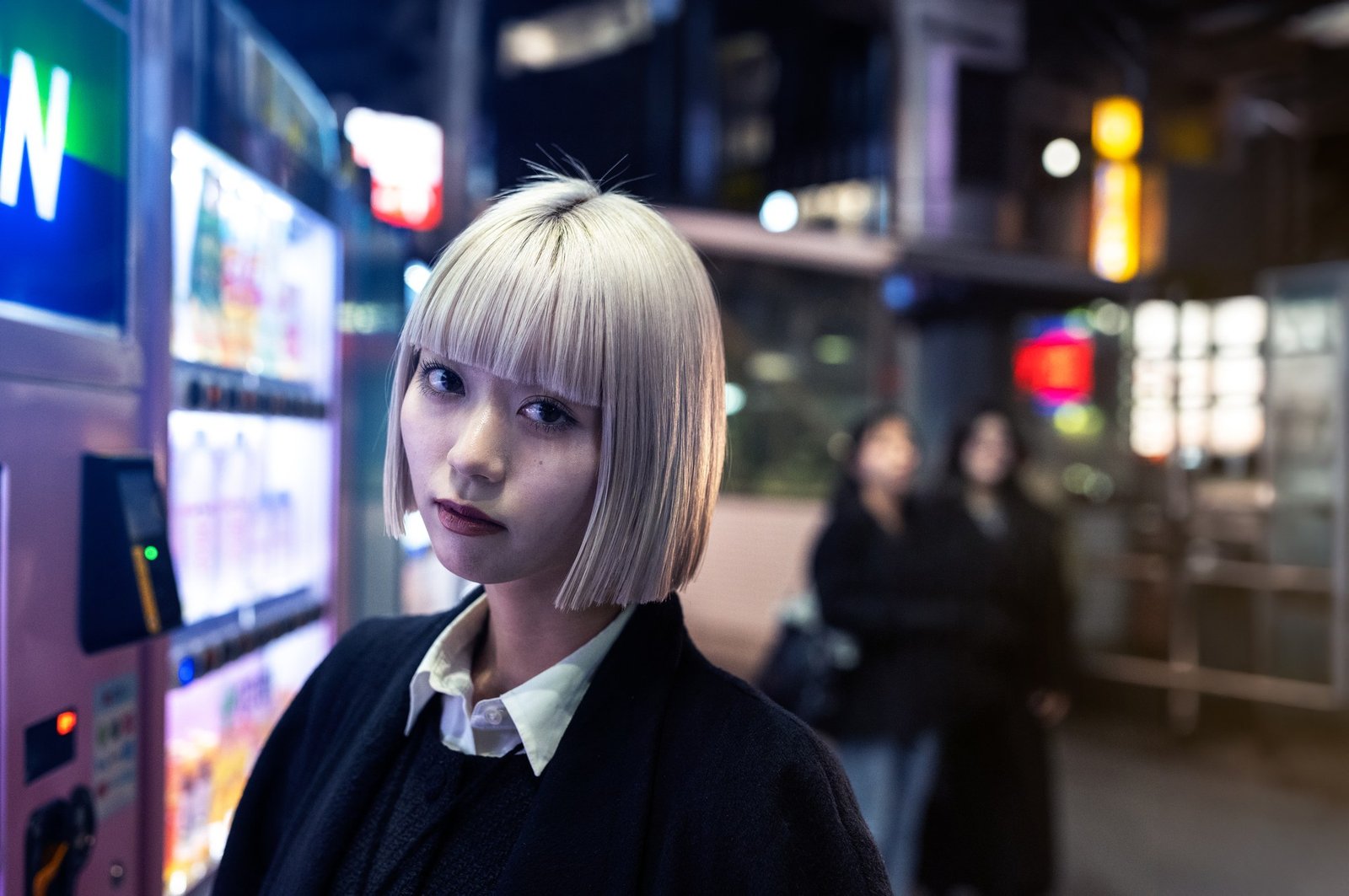
I own a Leica M11-P and a Leica M11 Monochrom. The rangefinder remains part of my photography, and the M EV1 has a different place in that practice. I use it for professional projects, on the street and for portraits. Its arrival gives me another way to work with the M system, without changing what I value about the cameras I already use.
For me, the interesting question is what a camera makes possible in a particular situation. A tool can change the relationship between eye, hand and subject. Understanding that relationship is more useful than deciding which viewfinder ought to win a debate.
02 / THE PARADIGM
From observing the scene to looking through the lens
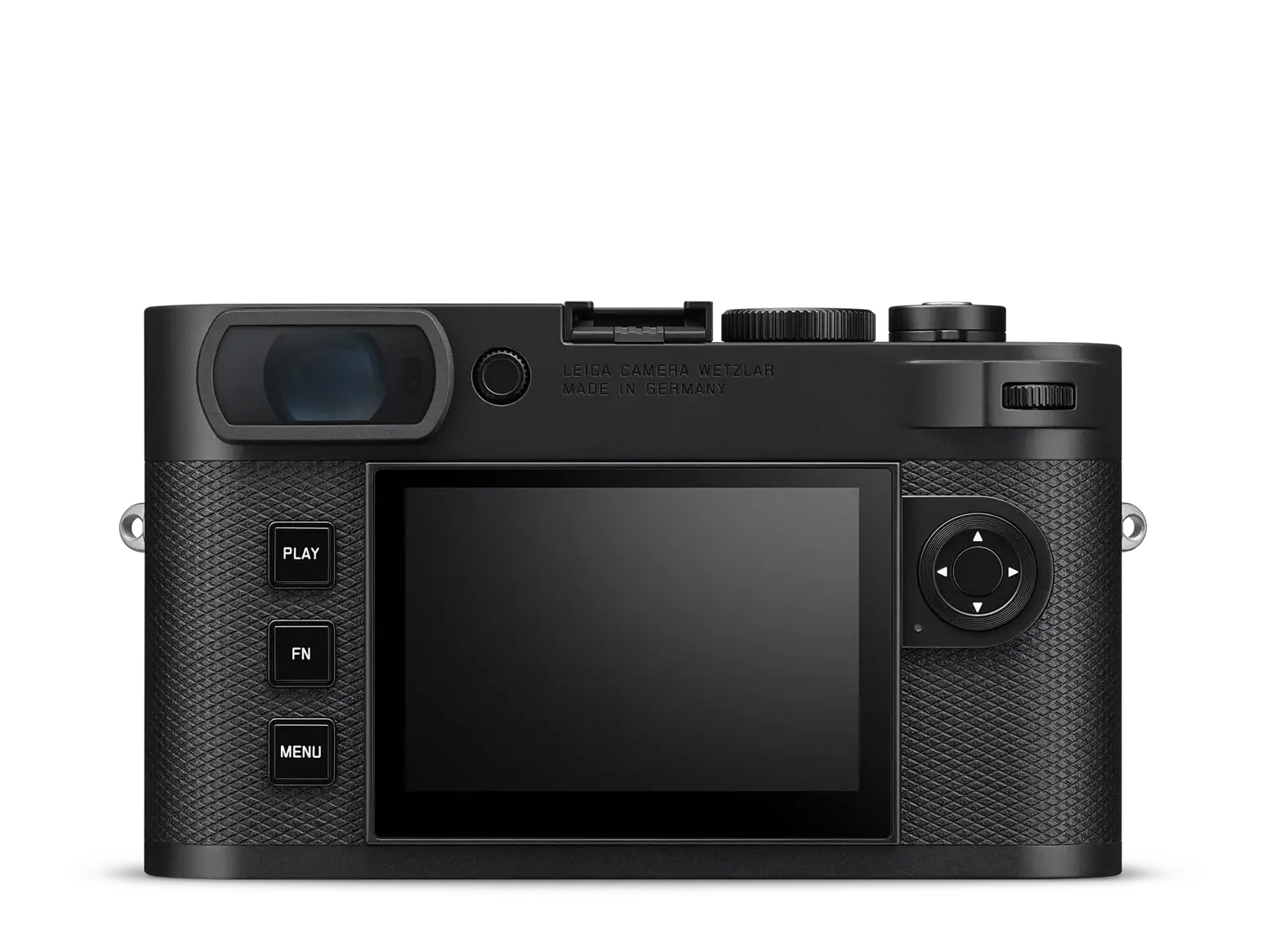
A rangefinder offers an optical view of the scene, with framing and focusing organised around its own way of seeing. The M EV1 introduces an integrated electronic viewfinder into that familiar M form. The viewing experience shifts towards the image formed by the lens.
That is a meaningful change. Framing and manual focus can be judged through the taking lens, and focus aids offer another point of reference. Yet the important decisions remain mine: where to stand, when to release the shutter, what to include, and how much of a person or a place to reveal.
The change of paradigm interests me because it expands the practice. It does not require me to abandon the rangefinder or to turn a preference into a rule for everybody else.
03 / TECHNIQUE
Useful information, deliberate decisions
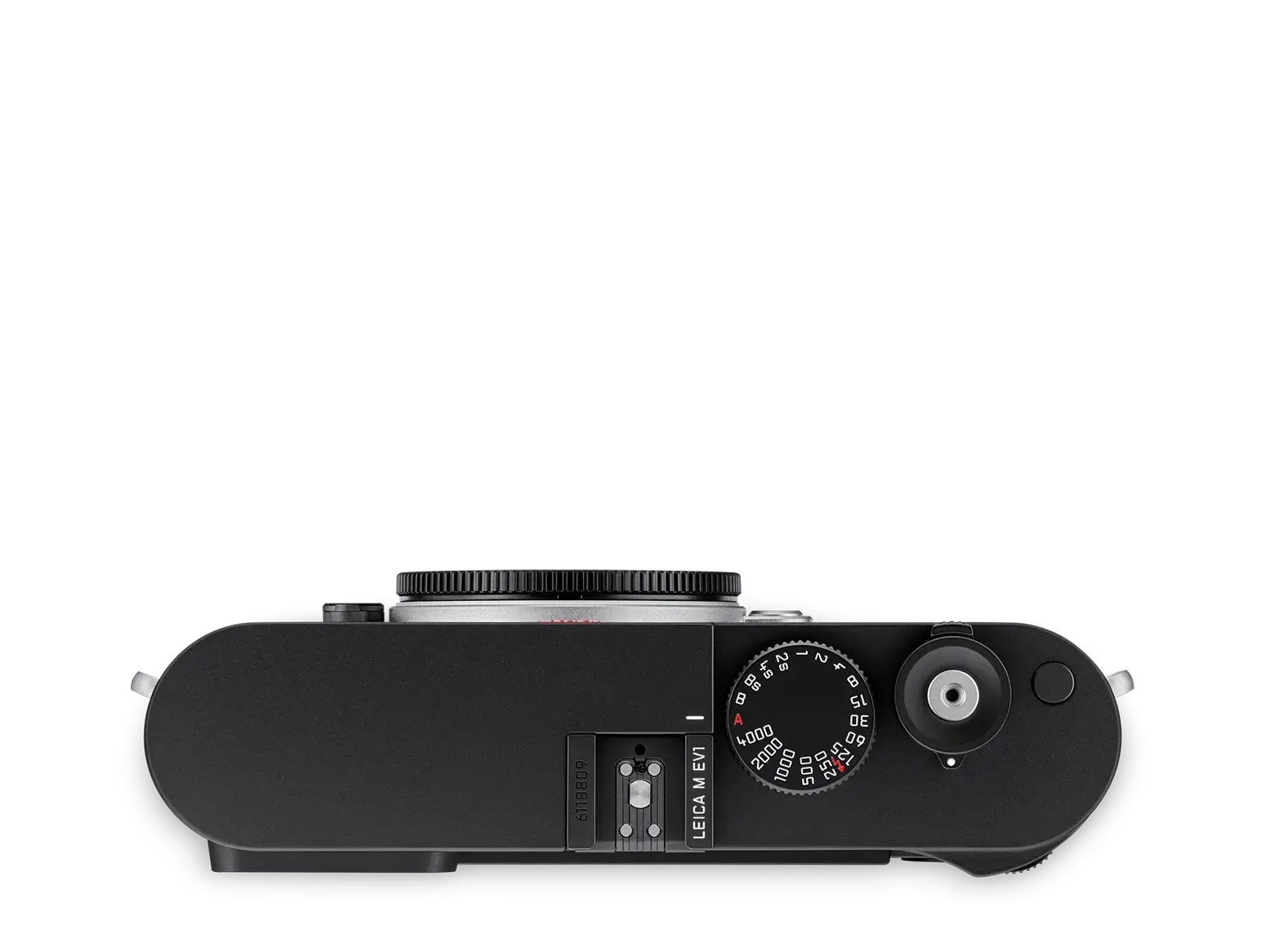
The M EV1 combines a 60 MP full-frame BSI CMOS sensor with a 5.76-million-dot electronic viewfinder. Manual focus remains central, supported by magnification and focus peaking. Those aids matter when checking a precise plane of focus, especially with a shallow depth of field.
Magnification can help me inspect a detail; then I need to return to the whole frame. Focus peaking is a guide rather than a reason to stop looking. The expression, the edges of the composition and the relationship between foreground and background still need attention.
There is practical judgement involved in choosing aperture and shutter speed, too. Opening a lens fully is one possibility. Sometimes more depth of field serves the picture; sometimes a shorter exposure matters more than preserving a low ISO. Technique becomes useful when it supports a clear intention.
04 / TOKYO
A camera in the world
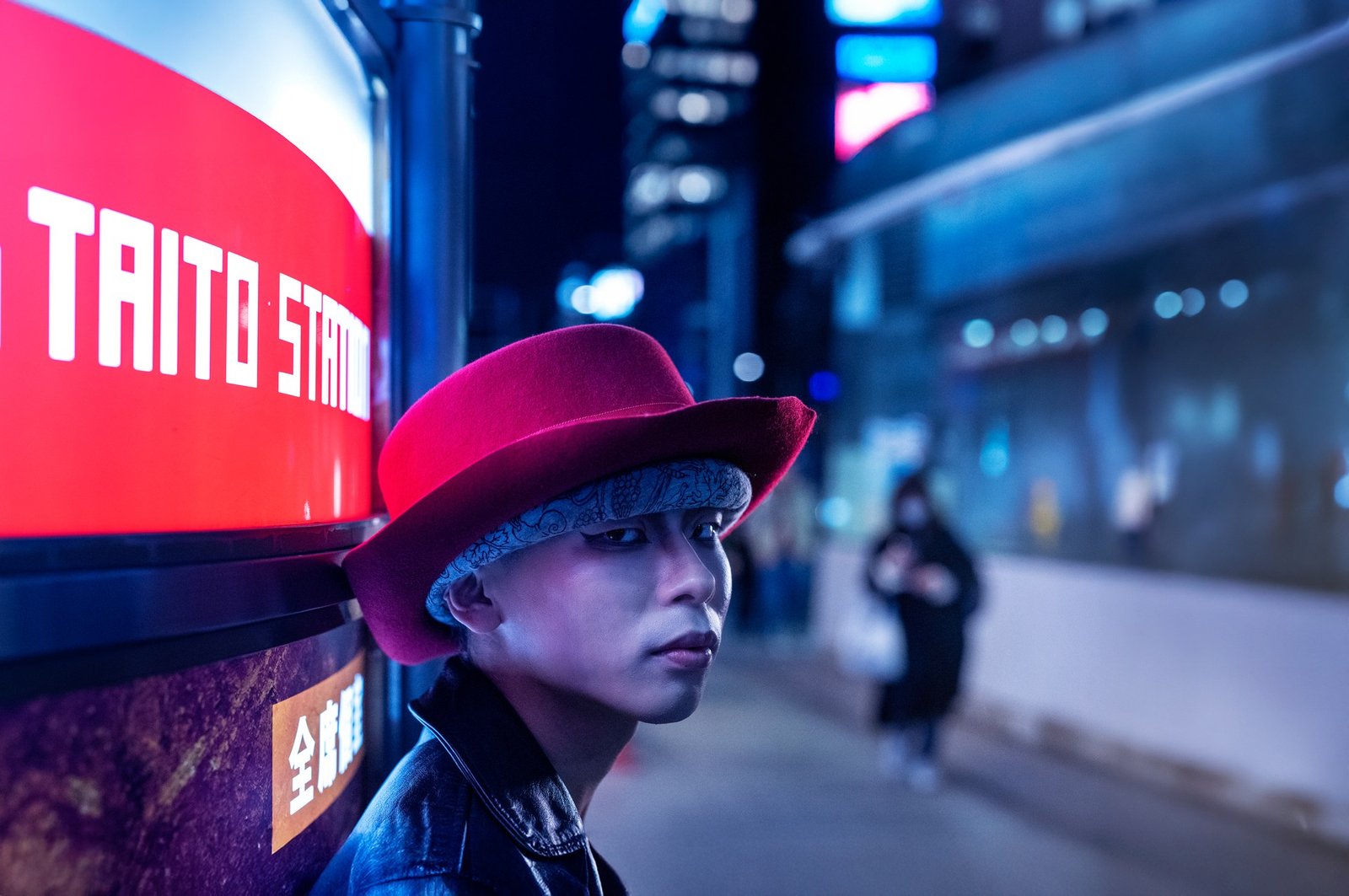
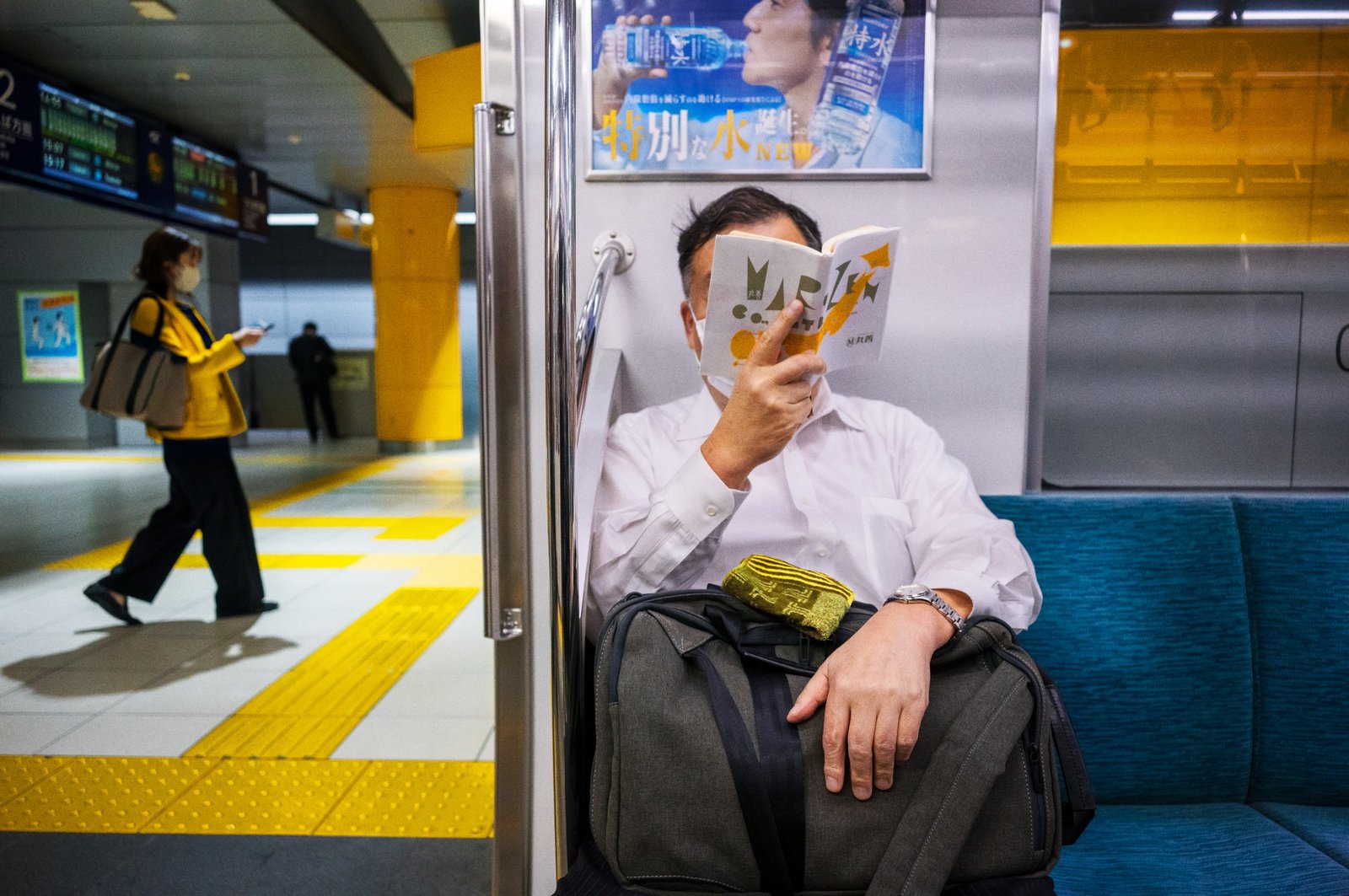
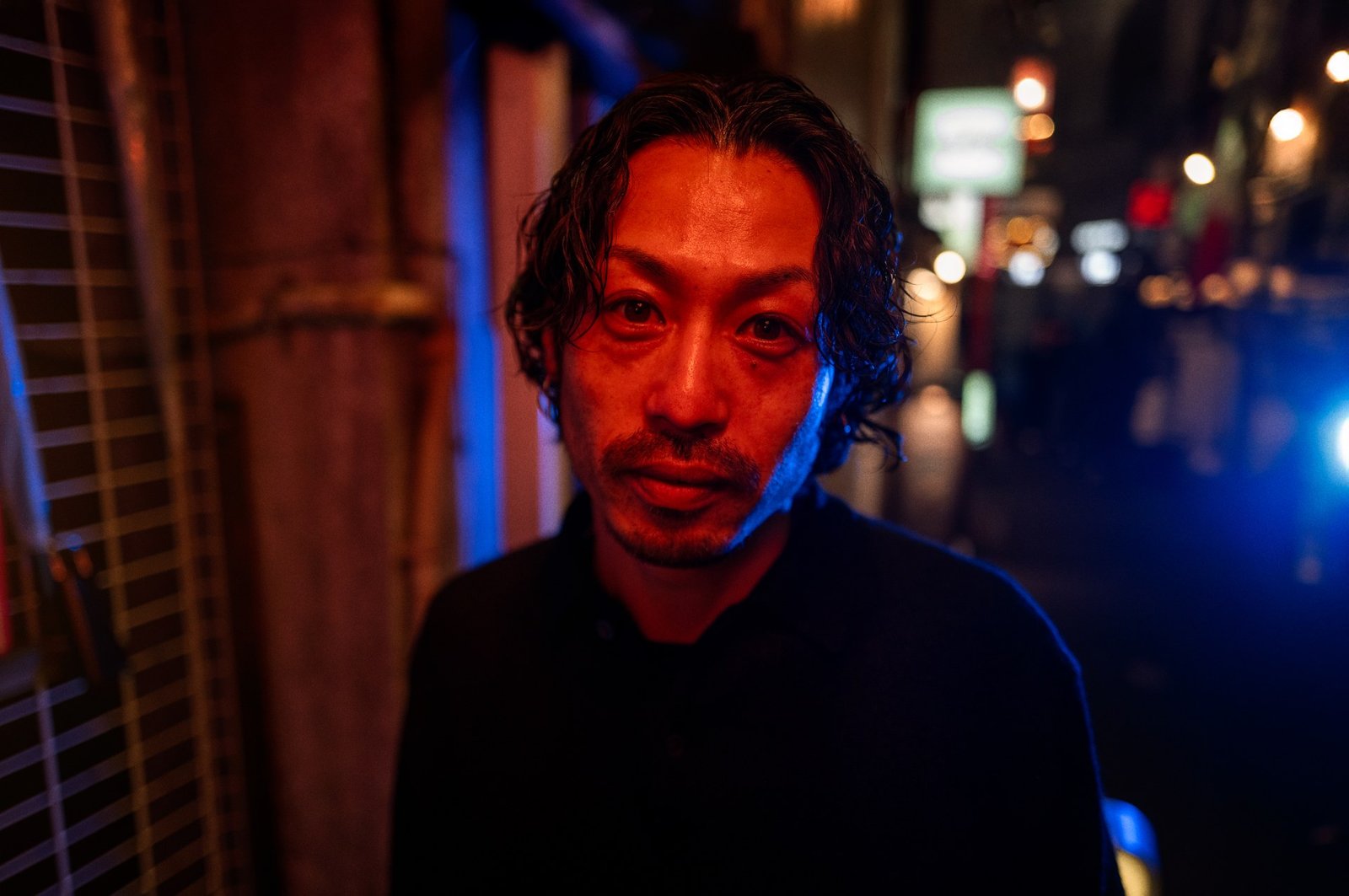
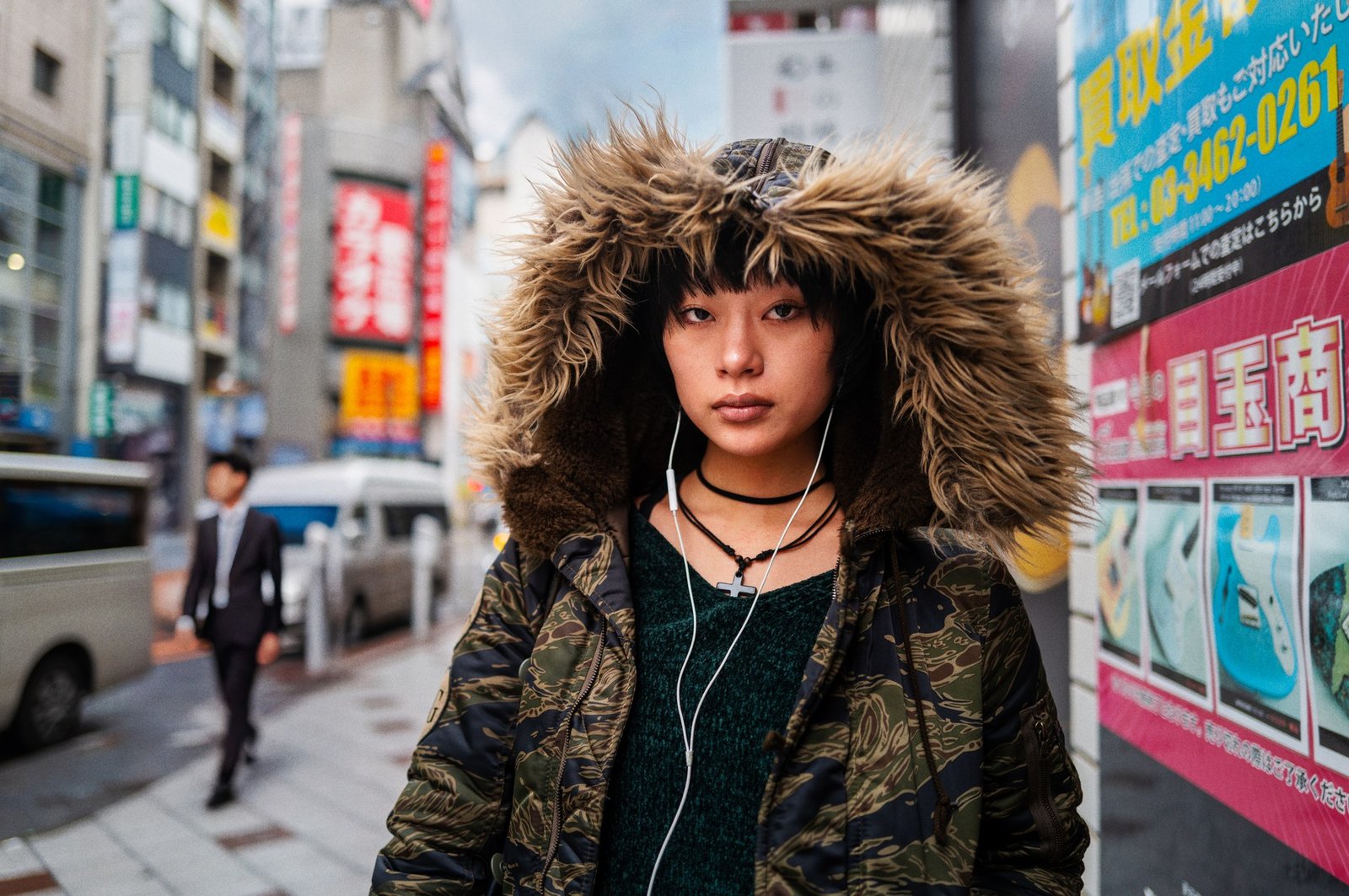
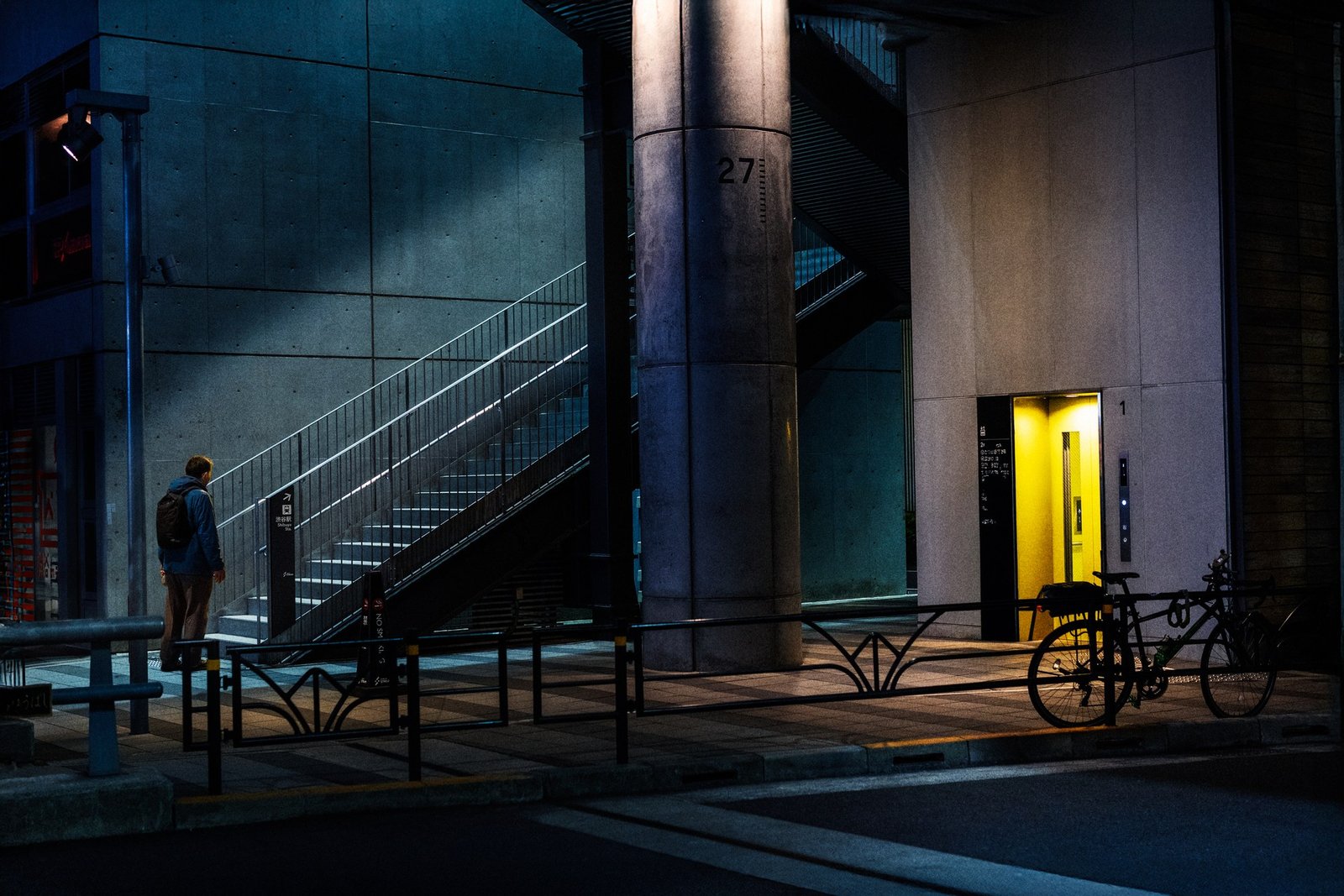
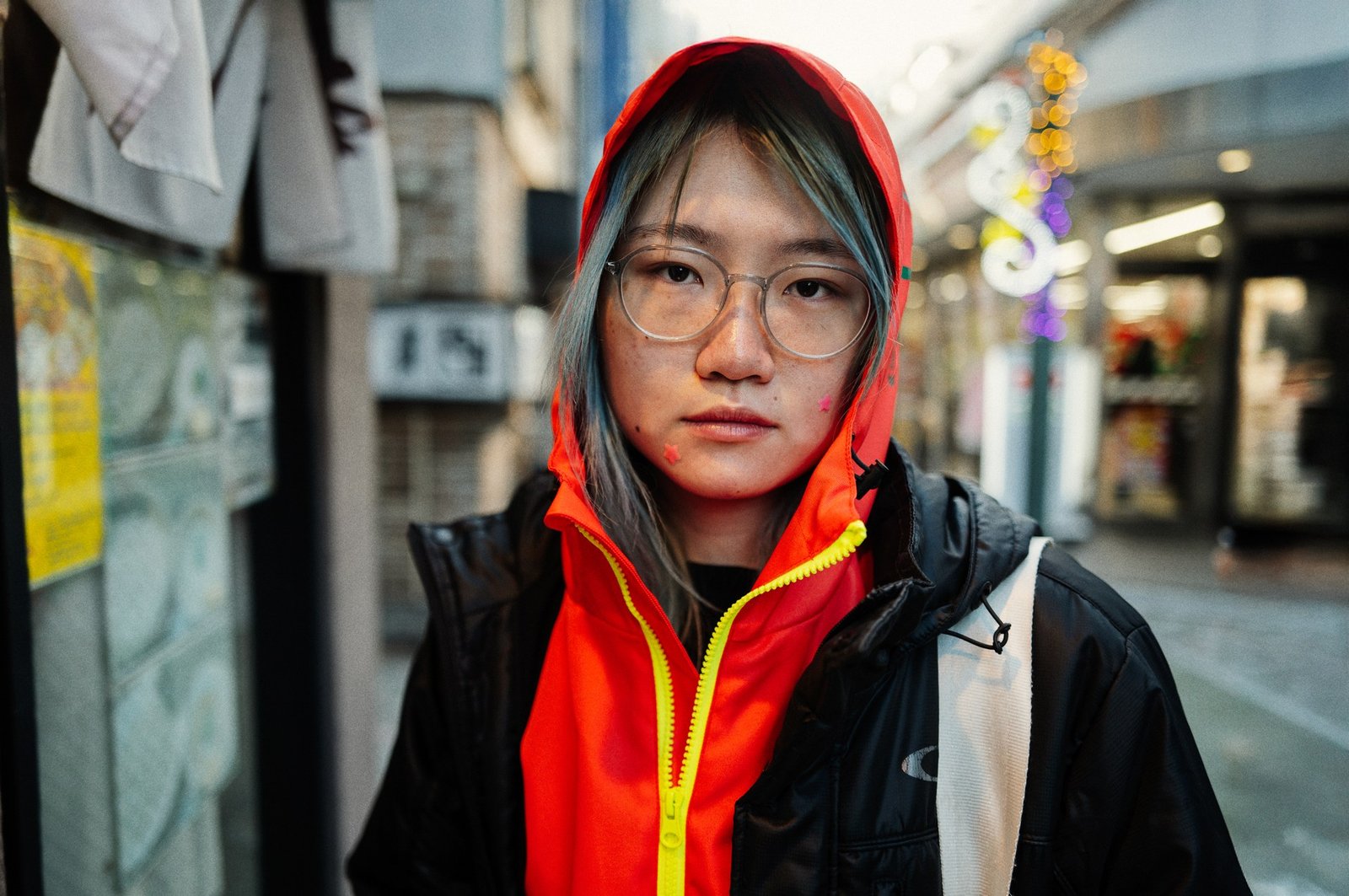
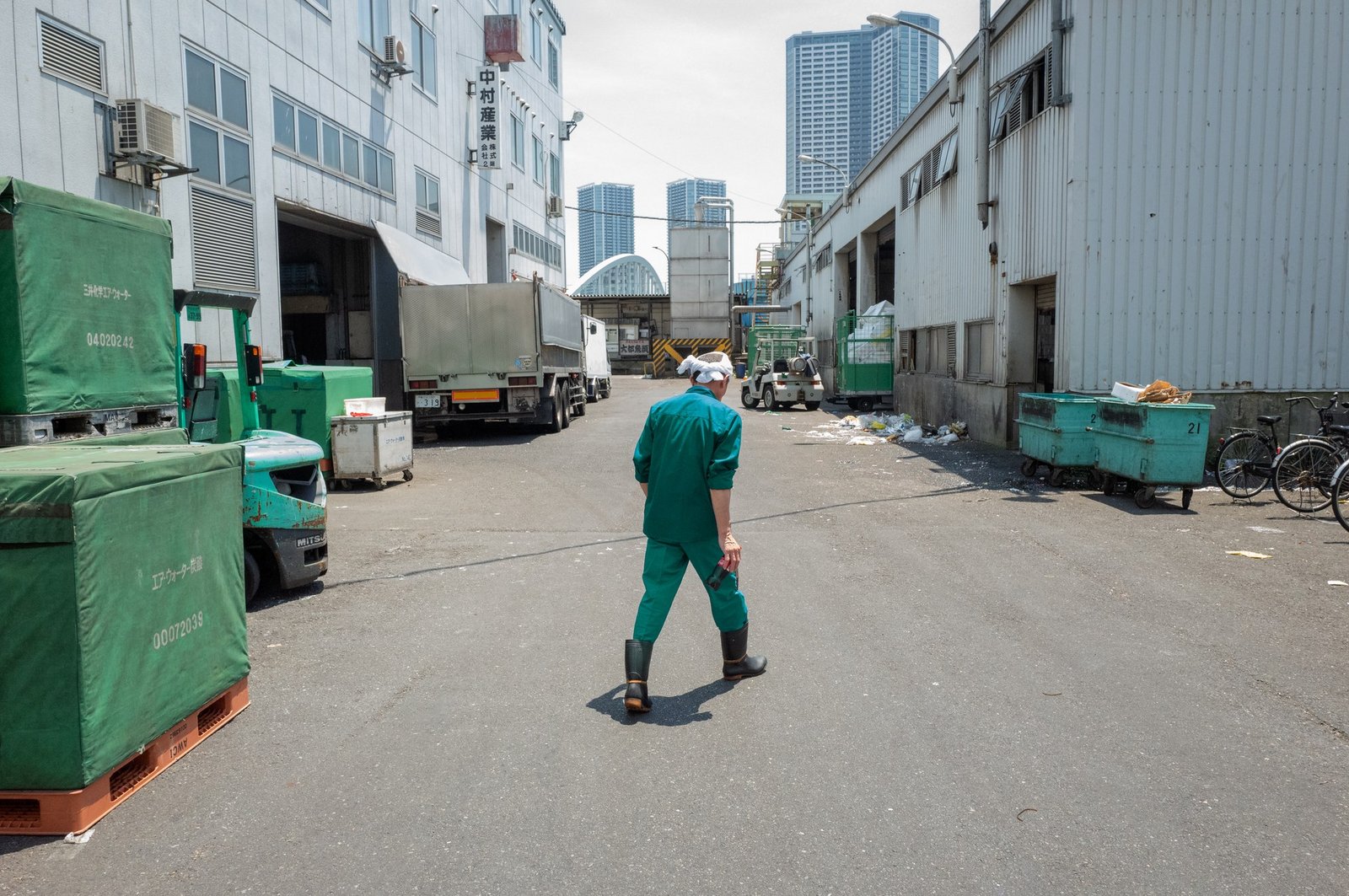
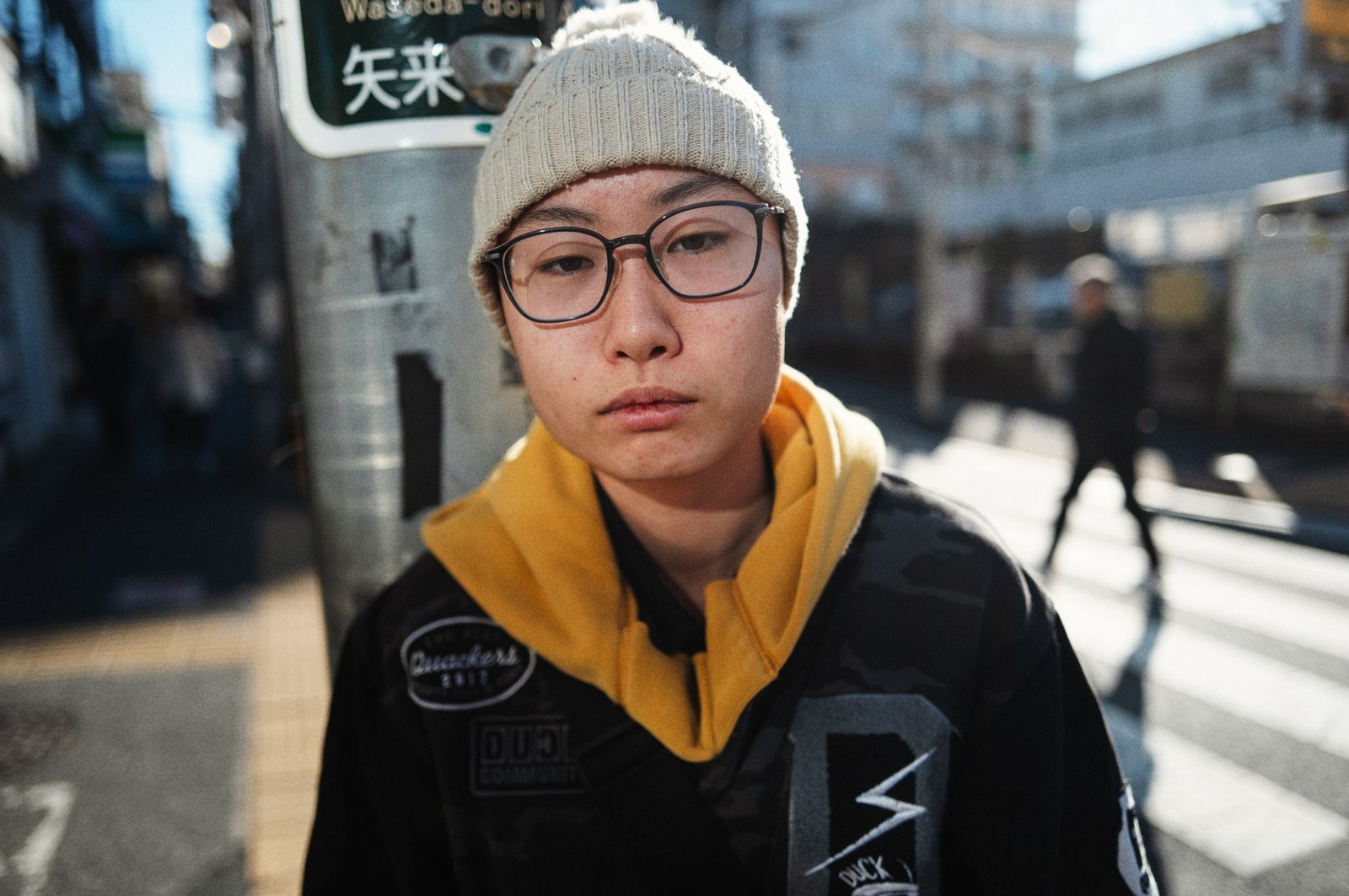
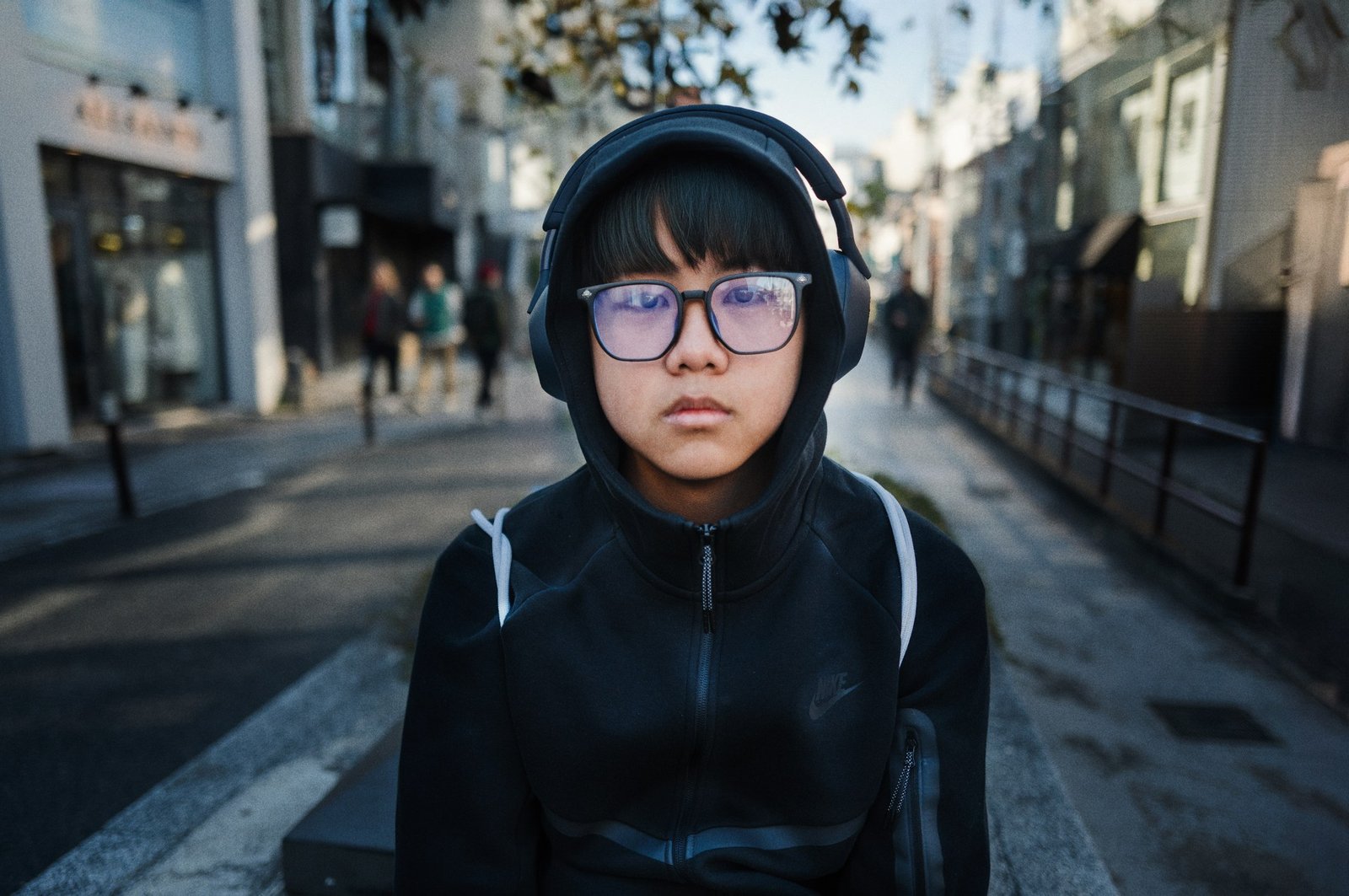
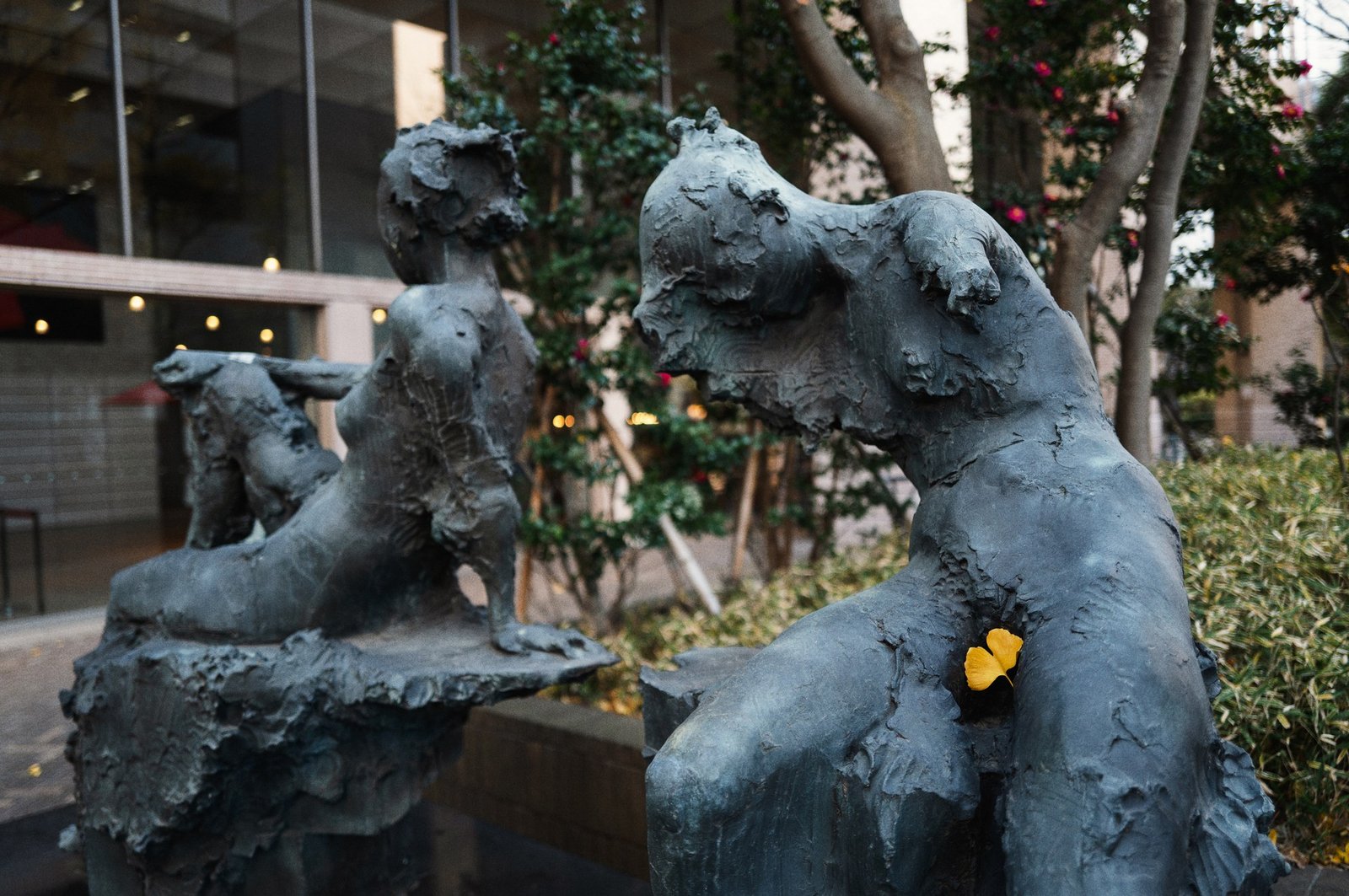
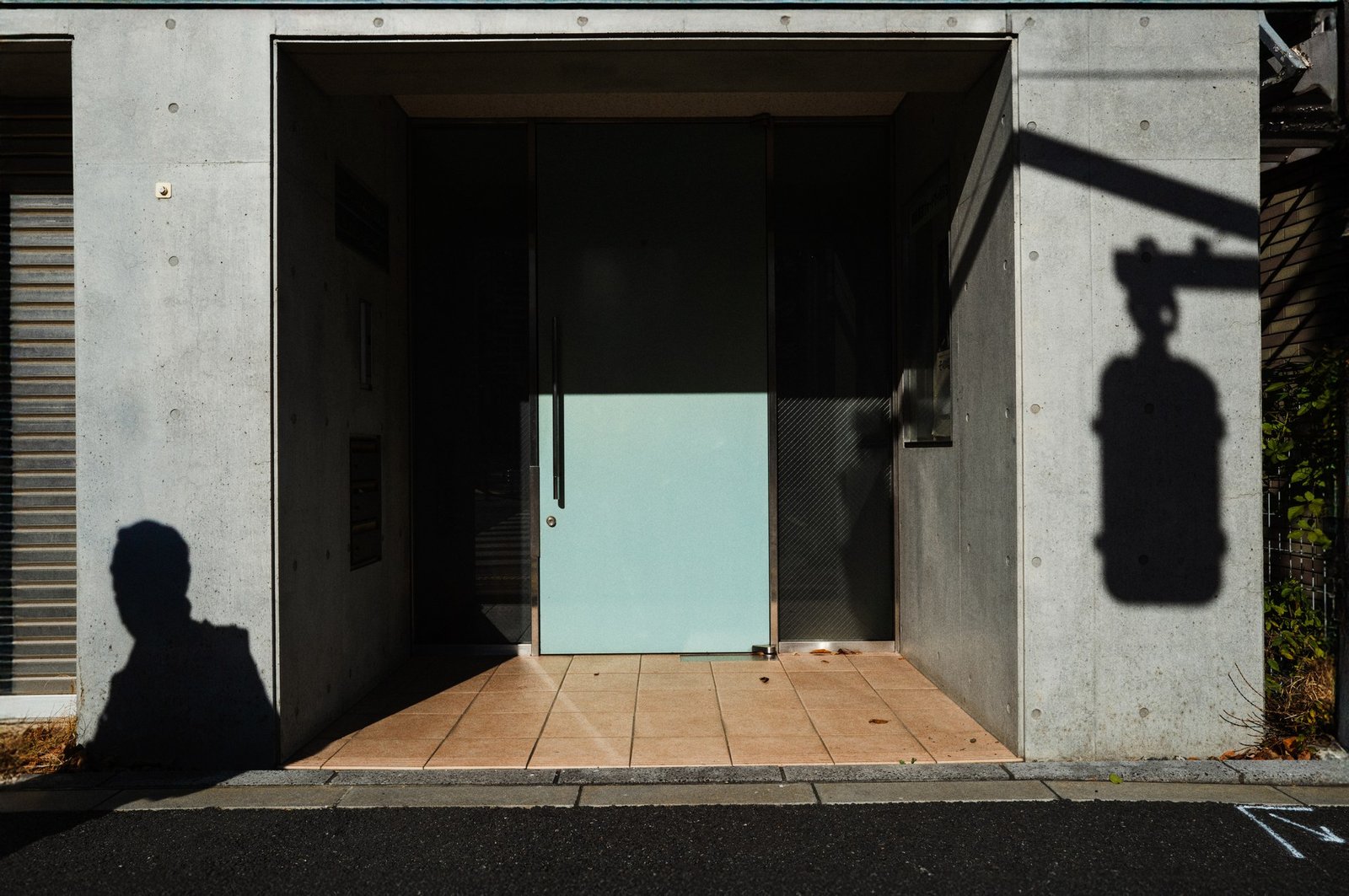
The film made in Tokyo brings this discussion back to photography in practice. A specification sheet can describe a viewfinder. Walking with a camera asks something else of us: attention to light, distance, movement and the people sharing the space.
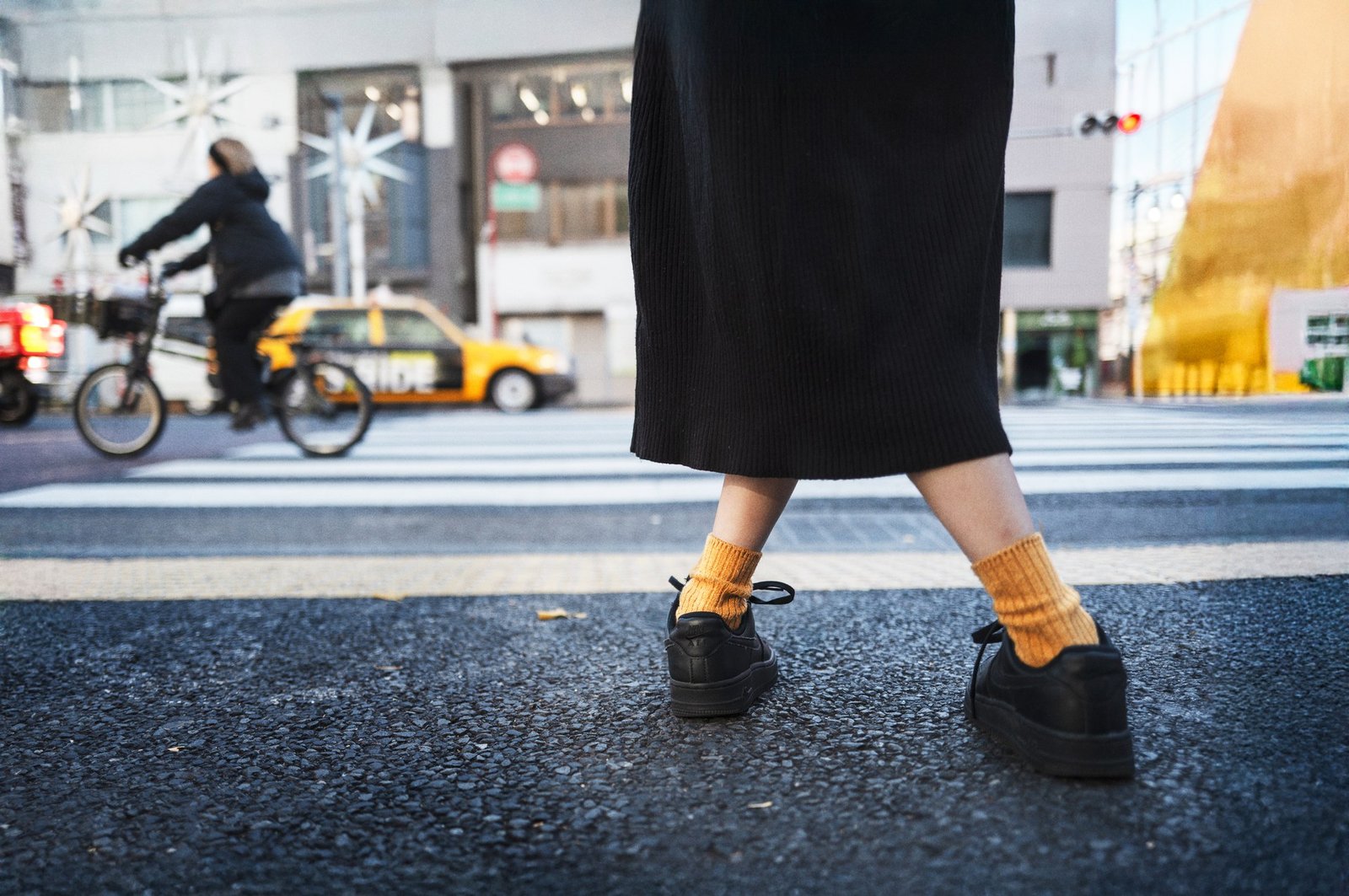
In street photography, working deliberately can begin before the camera reaches the eye. I can observe, choose a position and prepare for a moment. When it arrives, the response may need to be immediate. Patience and speed can belong to the same photograph.
LEICA M EV1 · TOKYO / WATCH ON YOUTUBE ↗

05 / PORTRAITURE
When slowing down changes the encounter
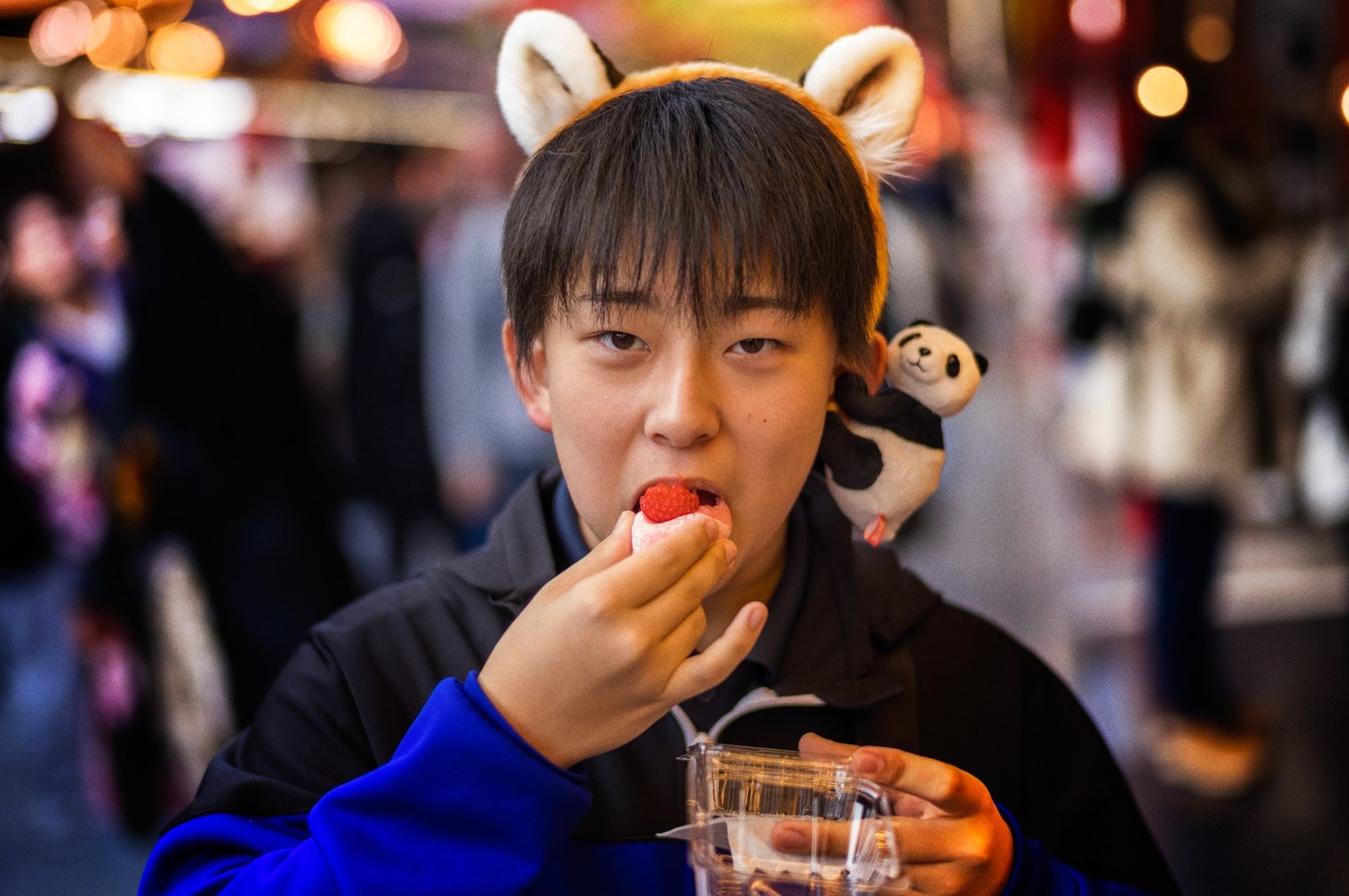
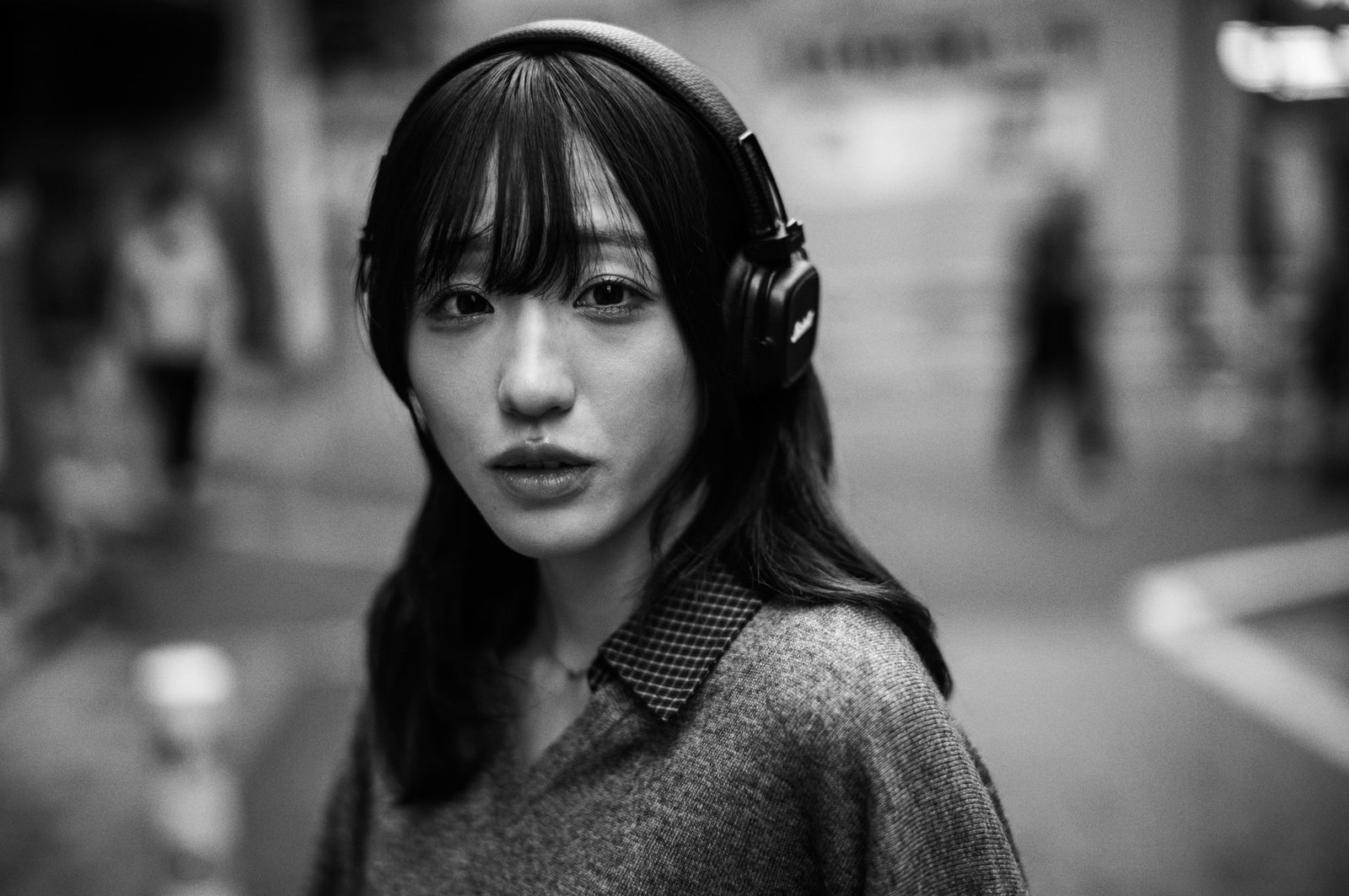
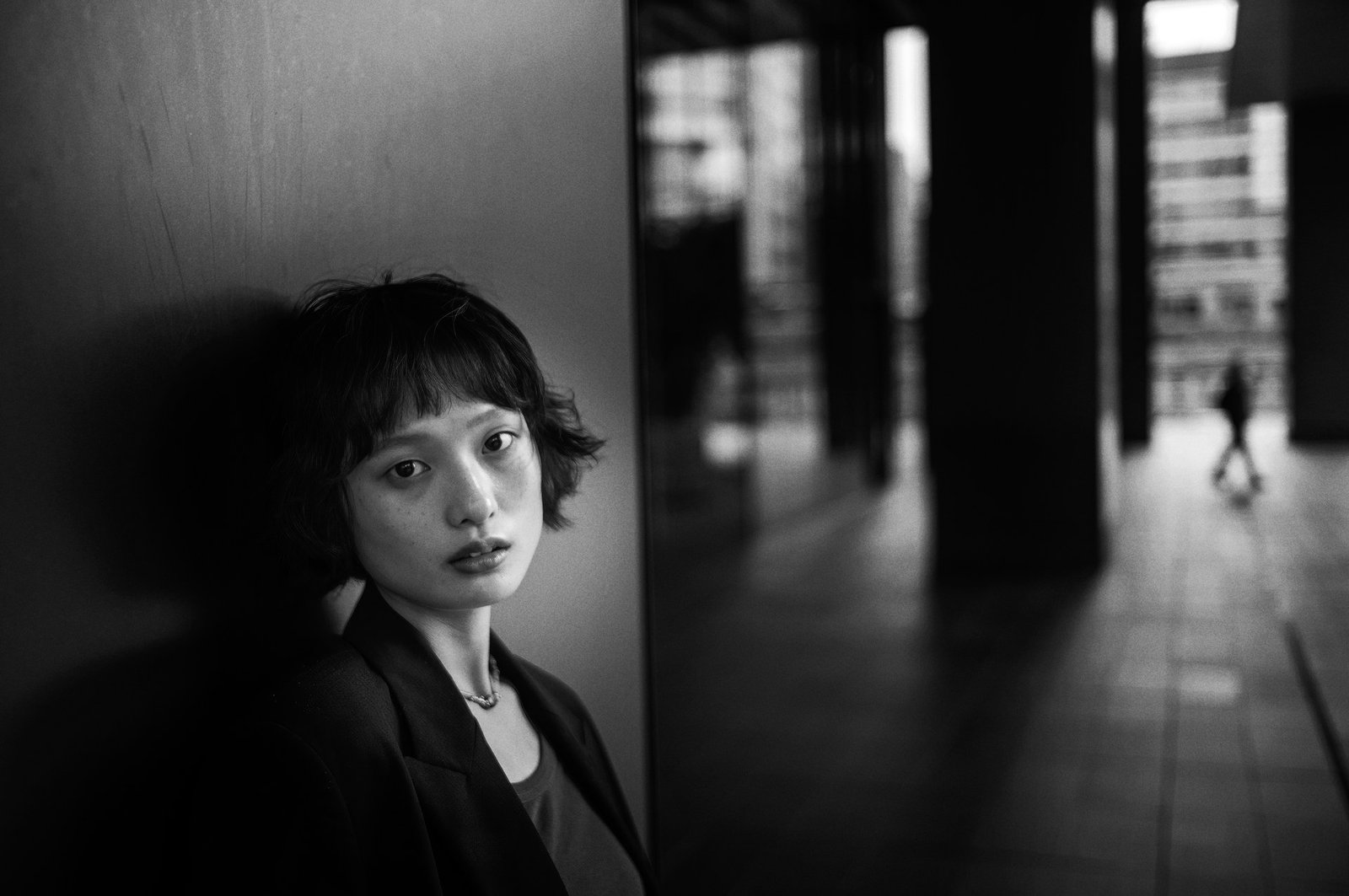
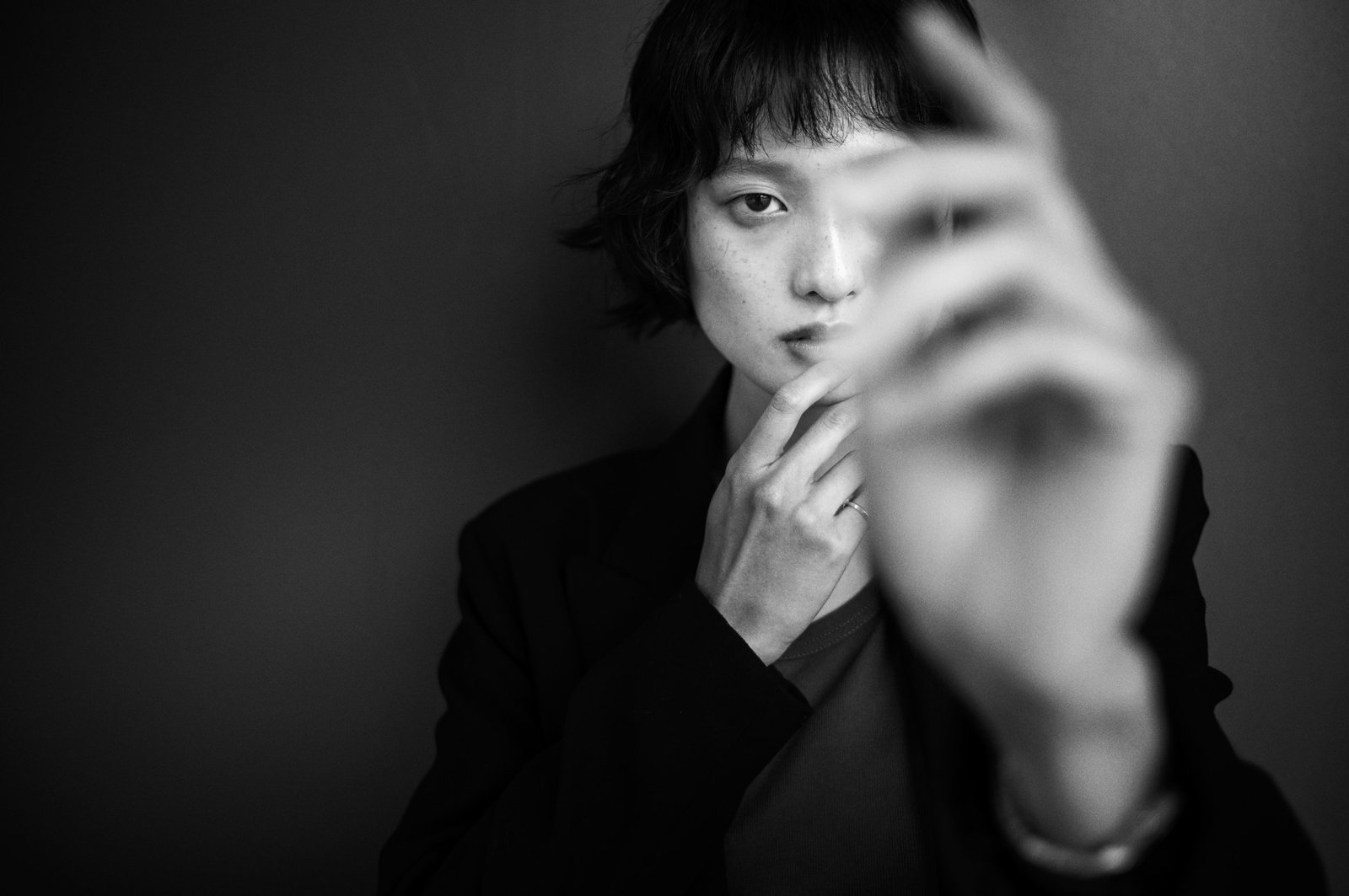
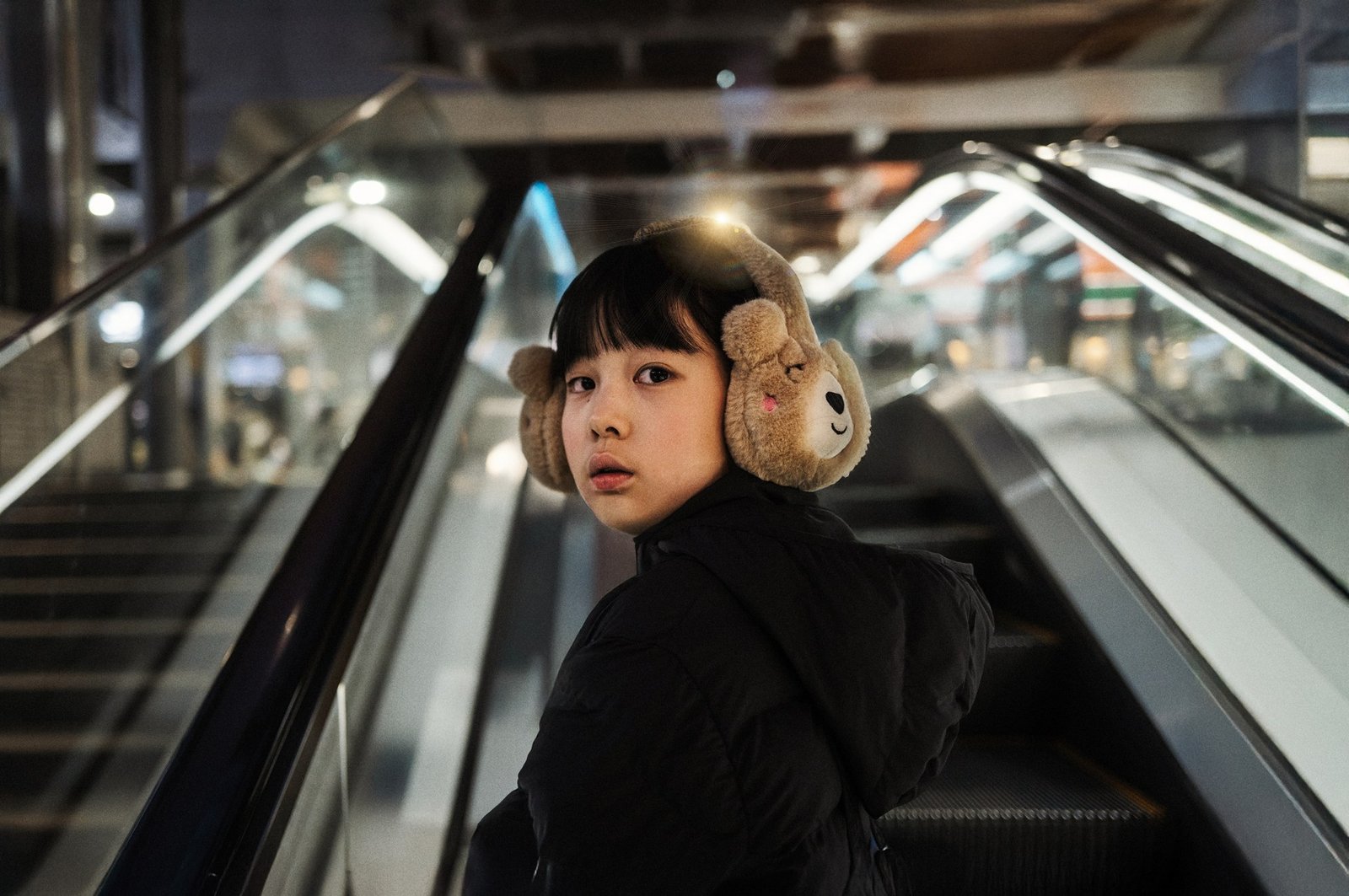
I also use the M EV1 for portrait projects in which a slower rhythm becomes a distinctive part of the work. A pause can give the person in front of me space to settle. It can give me time to notice a change in posture or to decide that the light needs a small adjustment.
Manual focus gives that rhythm a physical gesture. I choose the distance, assess the frame and decide when it is ready. The value of that process depends on the encounter. If it makes the subject uncomfortable or interrupts something alive, I need to adapt.
Slowness by itself does not make a portrait more thoughtful. It becomes meaningful when the time is used well: to listen, to observe, to communicate and to recognise the moment when enough has been done.
06 / COMMON SENSE
Keep the photograph larger than the camera
On a professional project, the tool needs to serve the brief and the person being photographed. Some situations benefit from the M EV1 and the way it lets me work. Others call for a different response. Experience should make that choice easier and less ideological.
Humility matters here. A sophisticated camera cannot supply curiosity, empathy or judgement. It can offer information and possibilities; I still have to recognise when my approach needs to change.
The M11-P, the M11 Monochrom and the M EV1 can coexist in my work. Each invites a particular relationship with the scene. What I want to preserve across all of them is attention: enough technique to work with confidence, enough patience to see, and enough common sense to put the photograph first.
THE COMPLETE PHOTO STORY
TOKYO, 2026
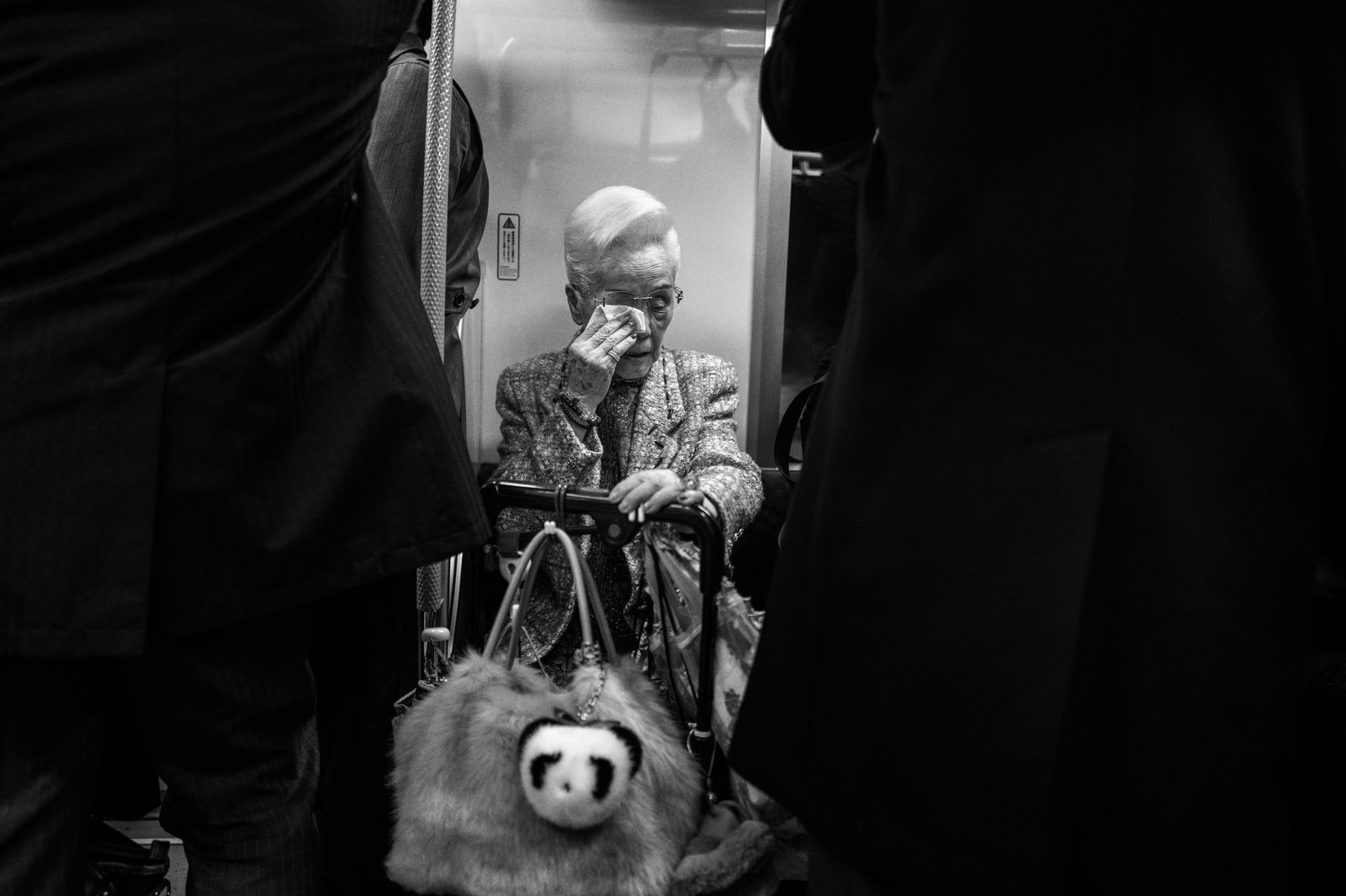
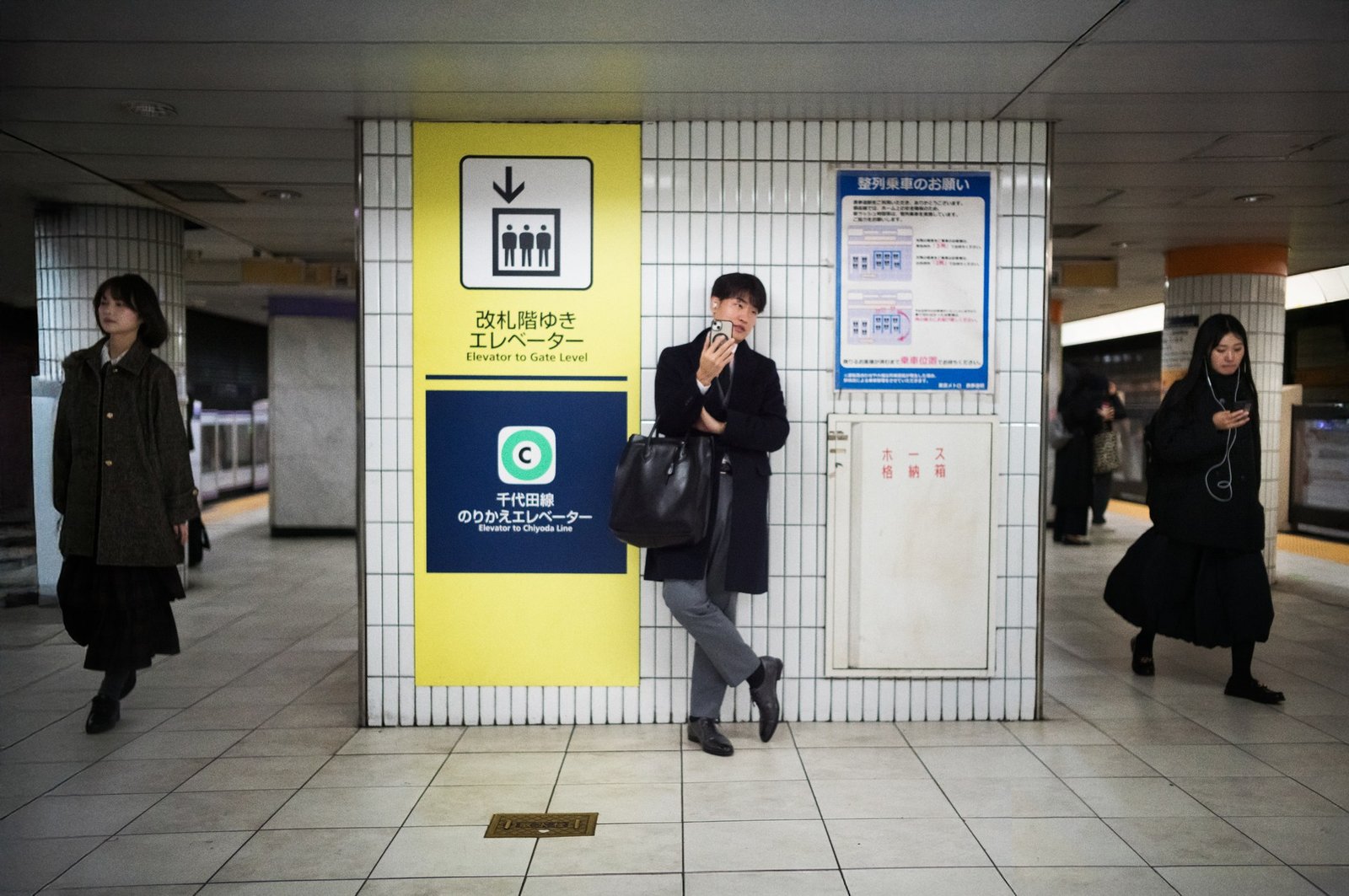
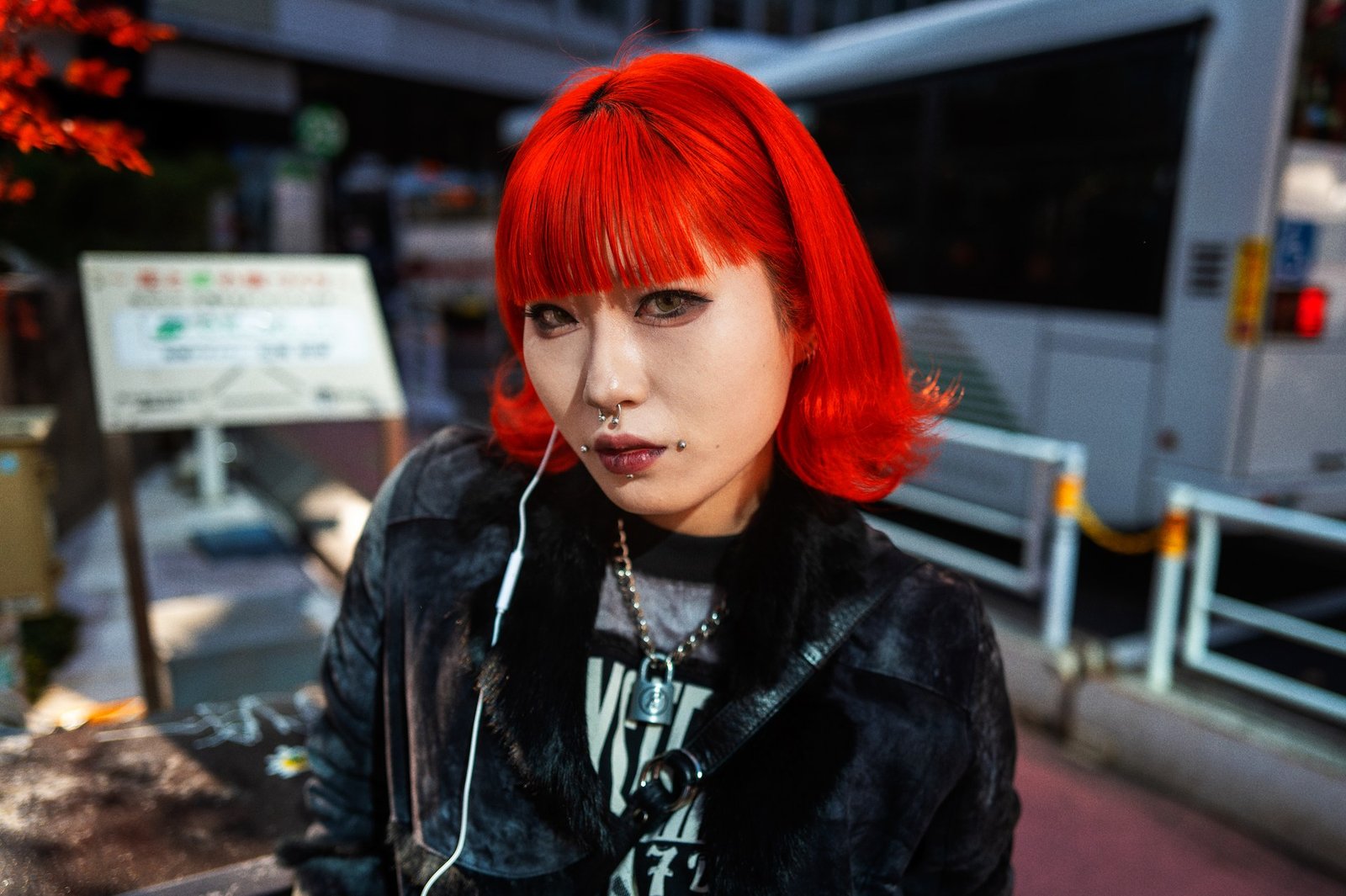
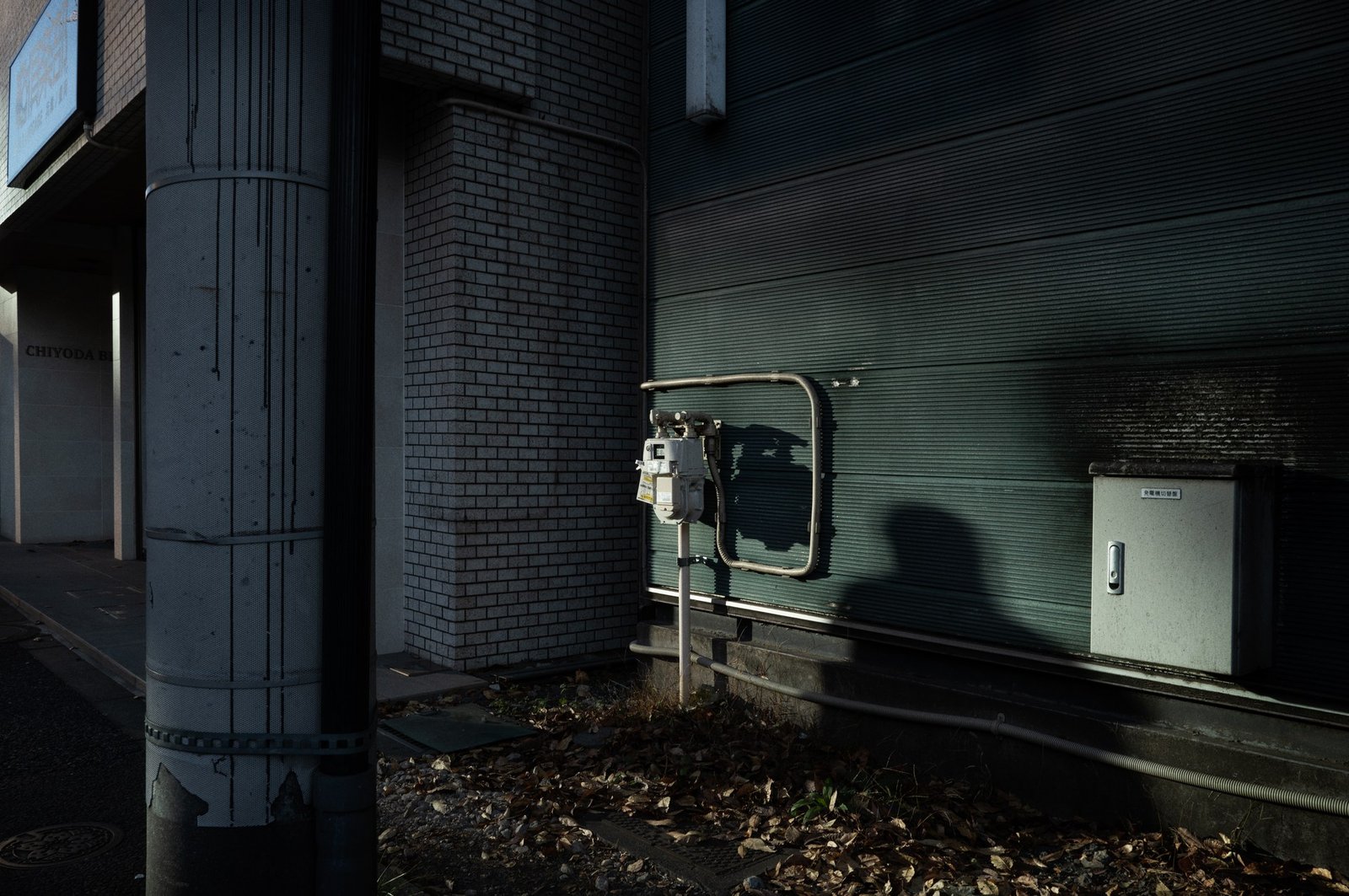
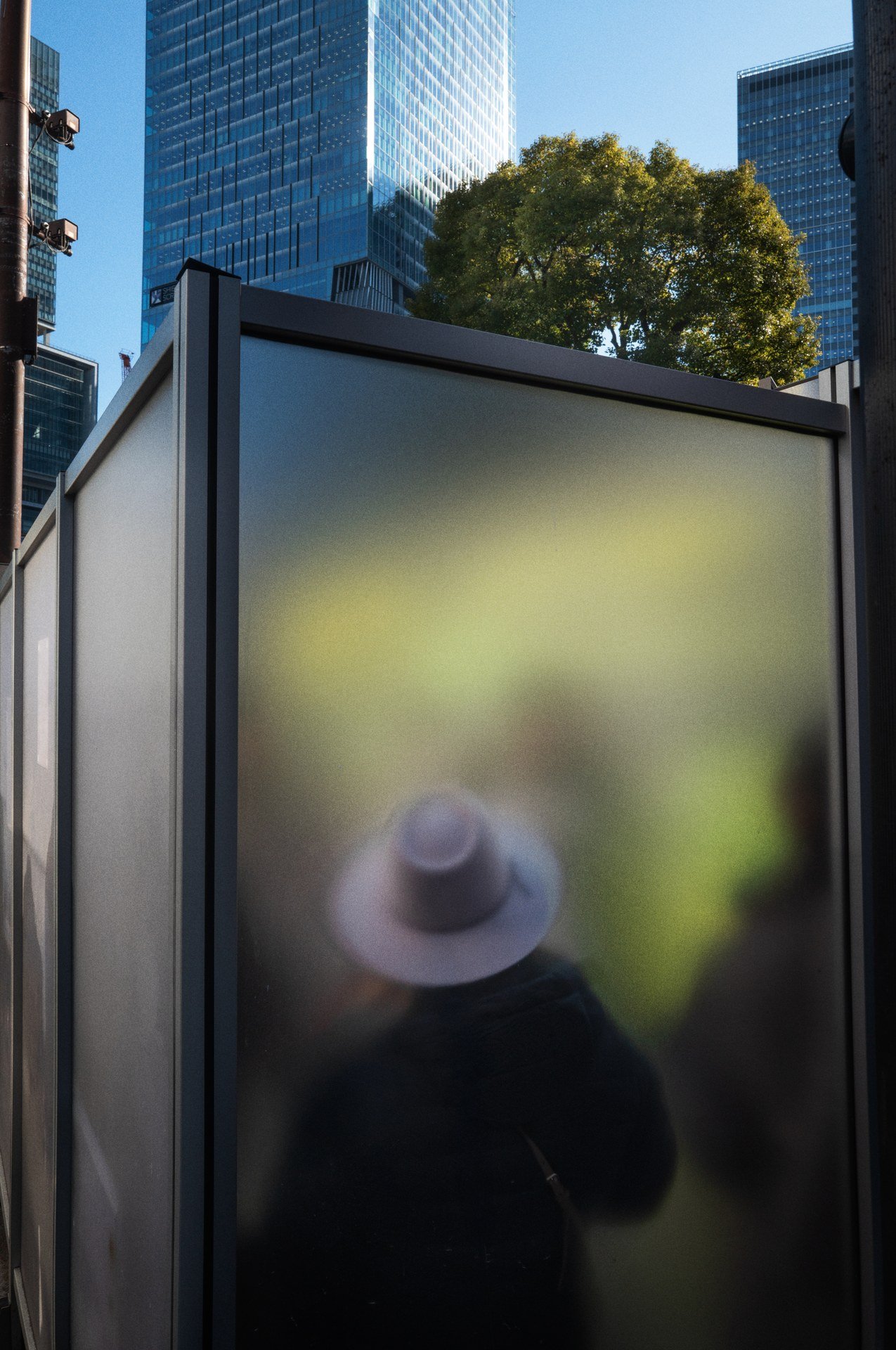
25 photographs by Eolo Perfido, made with the Leica M EV1.

MORE ABOUT THE PHOTOGRAPHER