
JOURNAL / ON PHOTOGRAPHY
THE LIFE
OF A PRINT
On paper, a photograph asks for our time.
Why we print, the materials we choose, and the care behind a limited edition.
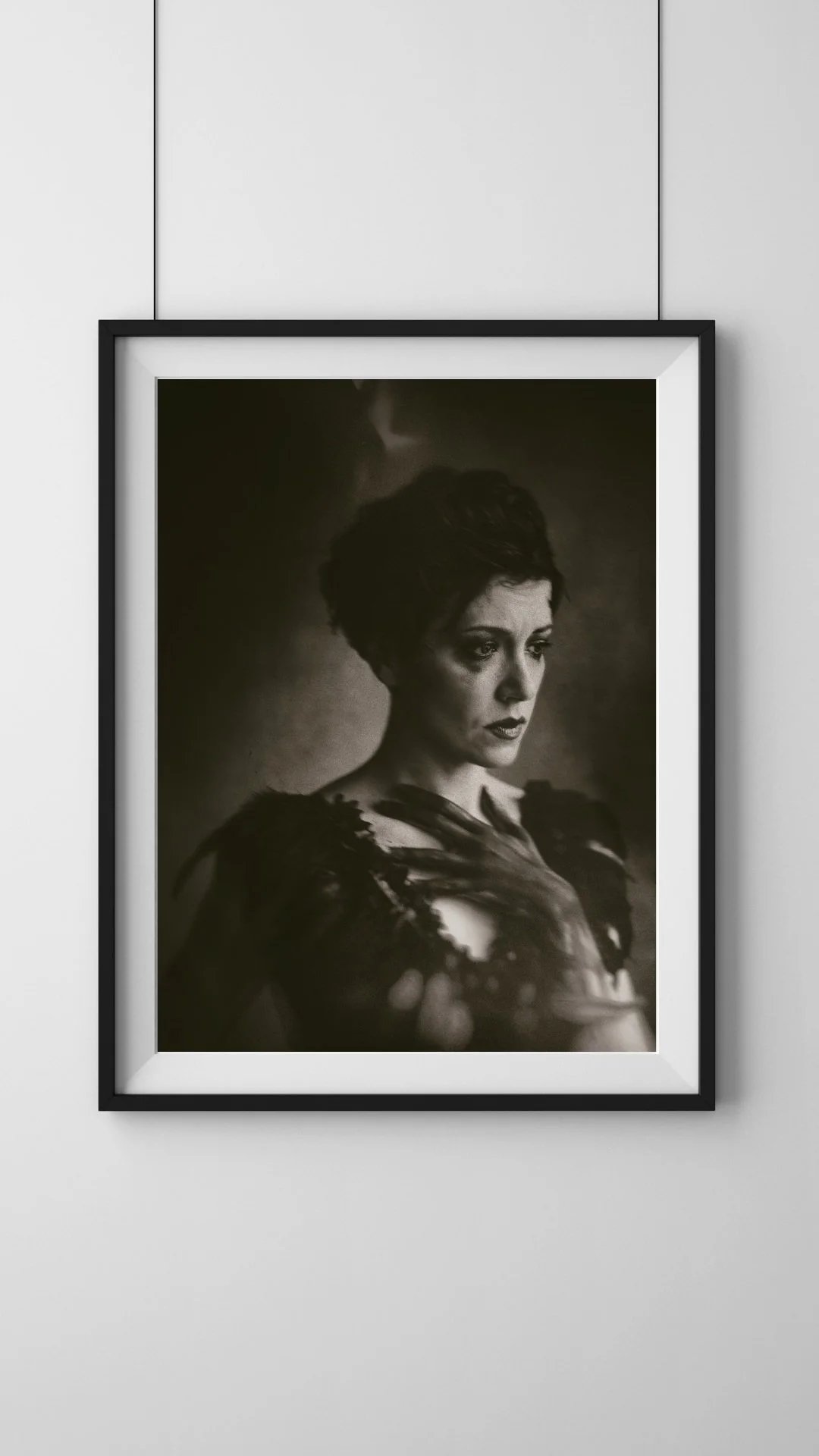
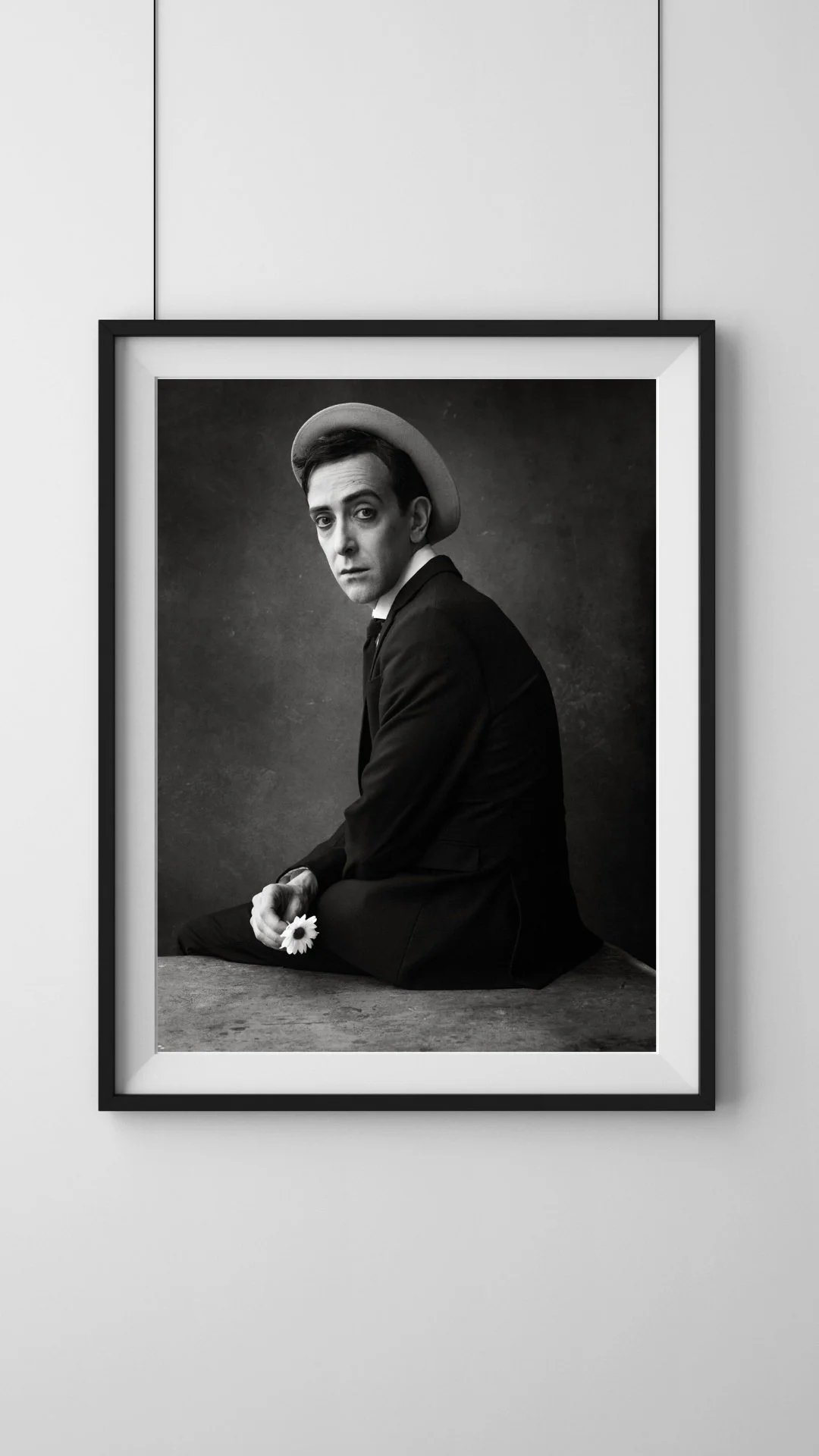
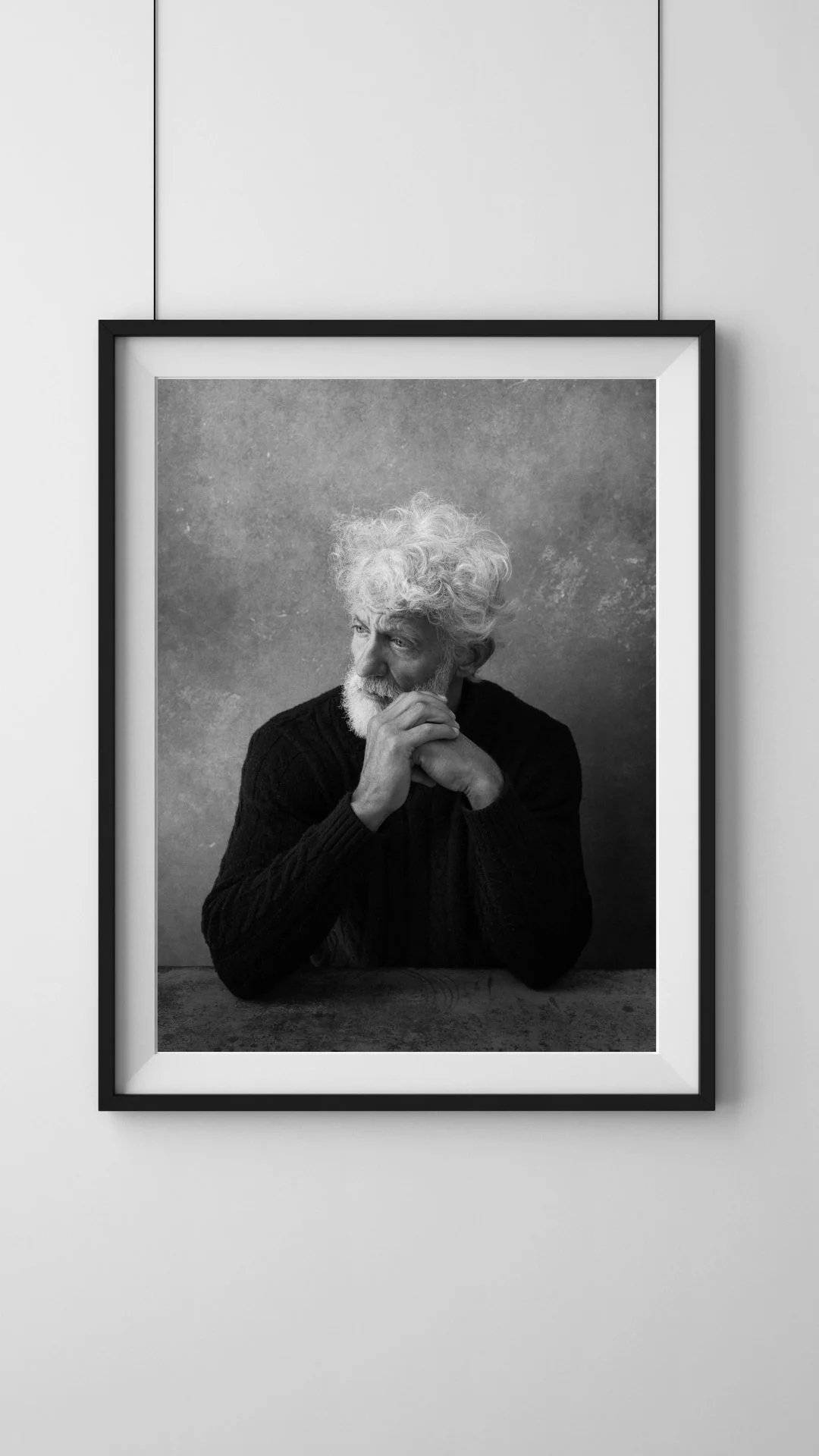
01 / WHY PRINT
A photograph you can live with
On a screen, a photograph is often on its way somewhere else. We scroll past it, enlarge it for a moment, then move on. Printing changes that relationship. The image has a size, a surface and a place. It remains there when the screen is switched off.
A print asks us to choose a distance. From across a room, we see the composition; closer, we discover the texture of a face, a small gesture, a transition in the shadows. Looking becomes a physical act. The same photograph can reveal something different as we return to it.
For us, printing is part of the photographic work itself. It is the moment when light, detail and atmosphere must find a convincing form on paper.
02 / THE PAPER
The surface is part of the image
Our fine art editions are printed on museum-grade baryta fibre paper, with a weight of 325 gsm, a natural white tone and a classic photographic pearl surface. The base is acid-free, 100% alpha-cellulose.
These details describe the physical character of the object. The weight gives the sheet substance. The natural white becomes part of the image’s lightest areas. The pearl finish gives the photograph a surface that recalls traditional darkroom prints, with a presence that changes as the viewing angle changes.
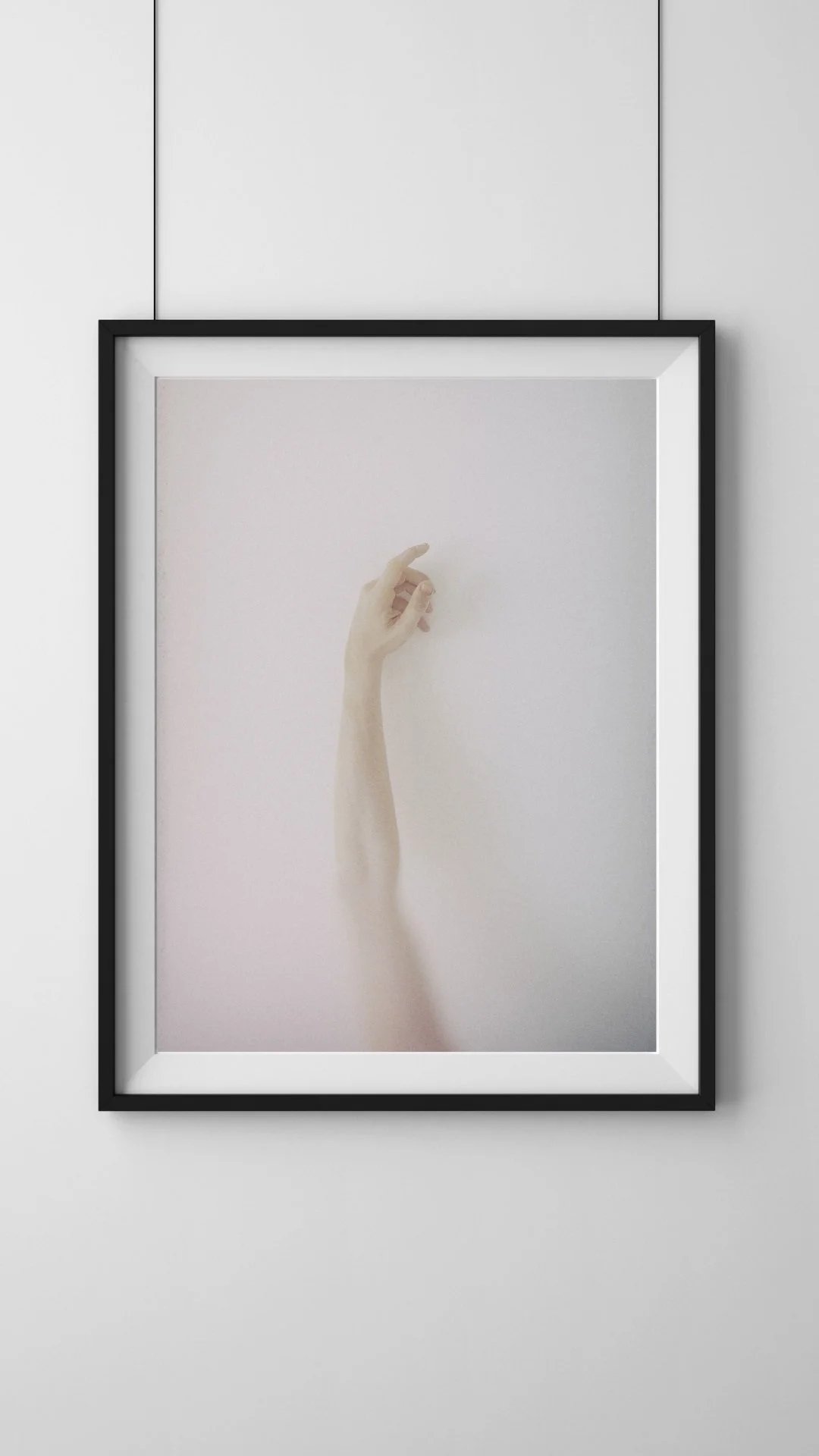
Paper is never a neutral decision. Its white, texture and finish influence how a photograph feels. For a portrait, those qualities matter as much in a delicate skin tone as they do in a deep shadow.
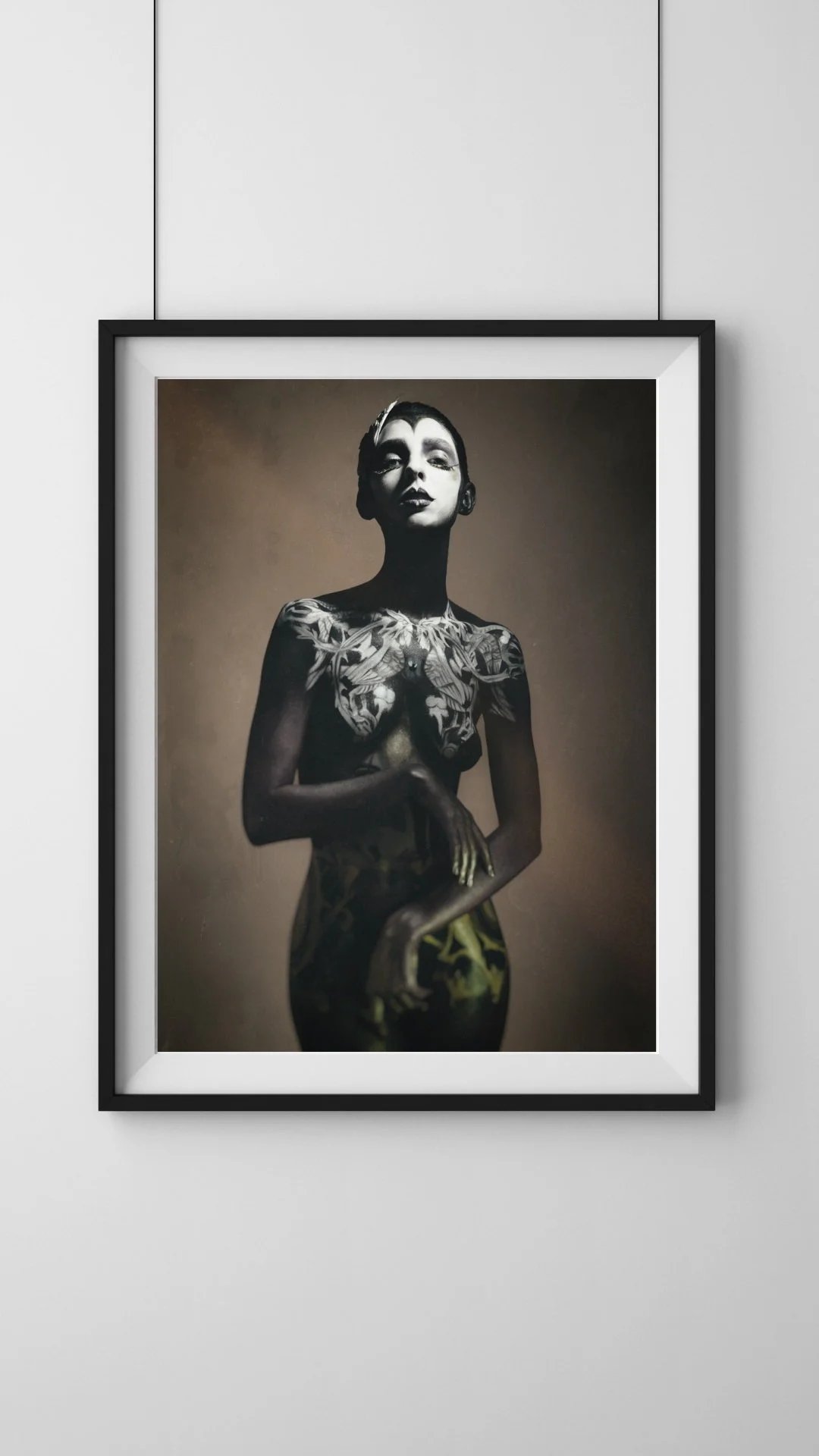
03 / TONE & DETAIL
Giving the shadows room to breathe
The editions use professional archival pigment inks. The aim is a print that holds both fine detail and a rich tonal range, with materials selected for long-term preservation.
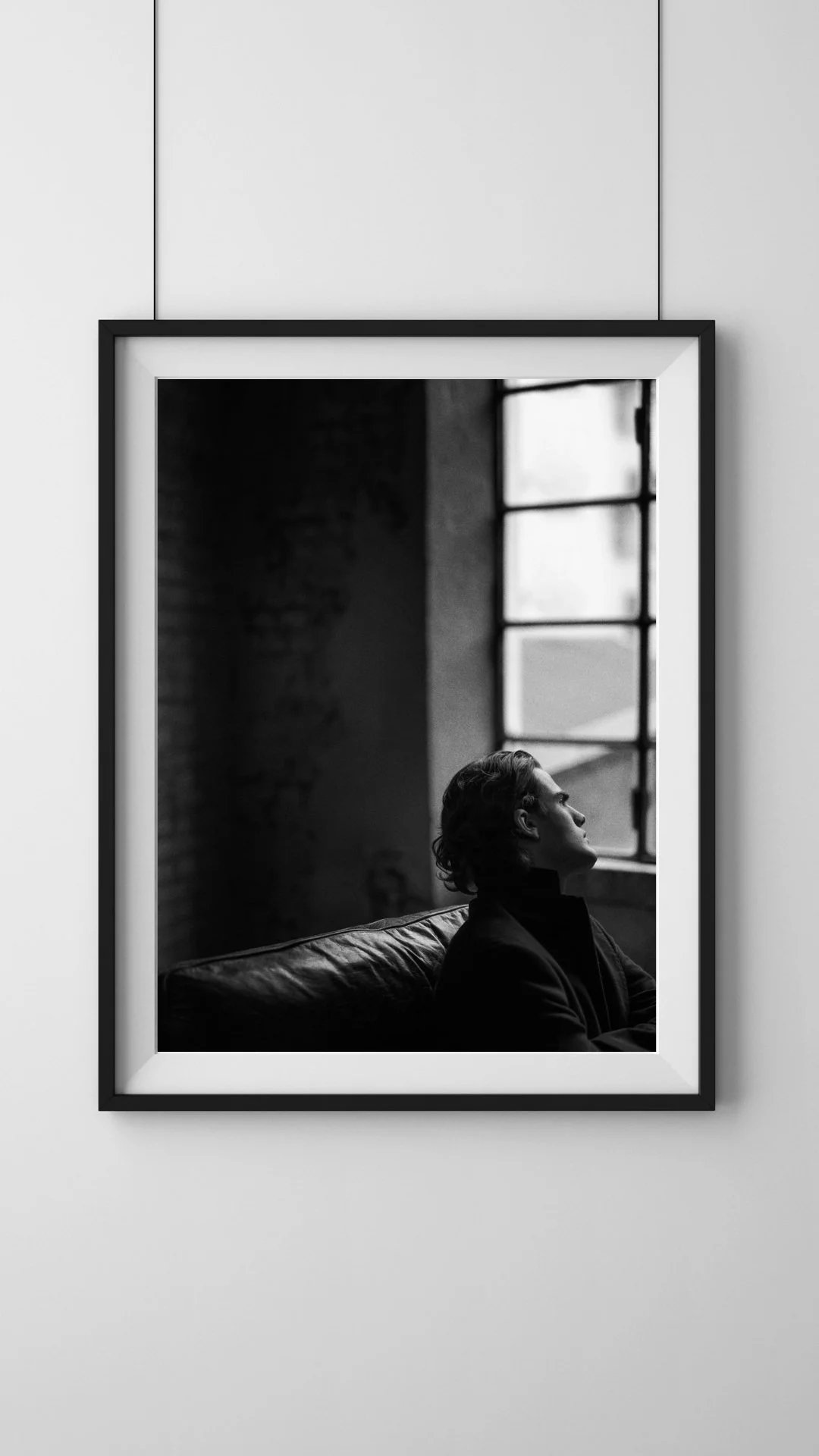
Technical quality is not simply a matter of making every edge sharper or every black darker. In a portrait, the important question is whether the image still has depth: whether a shadow retains its shape, whether a highlight feels luminous, whether the transitions across a face remain convincing.
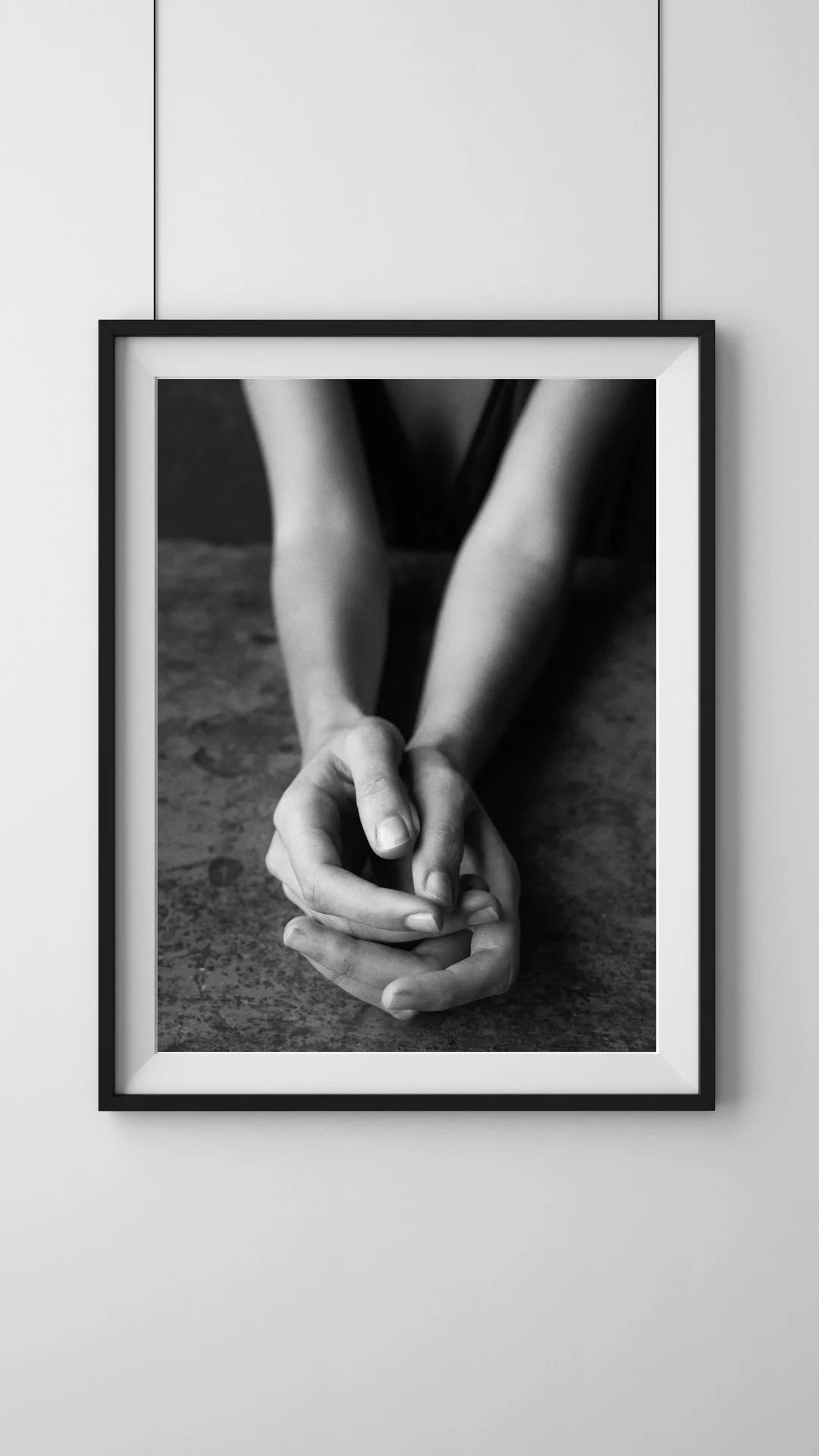
A screen emits light; a print is seen by reflected light. That difference is why the physical print deserves its own judgement. The paper version must work as an object in front of us, rather than merely resemble a bright display.
04 / THE METHOD
Attention, one print at a time
Each print is individually checked before dispatch. That final examination is a small but essential commitment: the finished object matters as much as the image it carries.
A careful review asks four questions. Does the tonal balance serve the photograph? Do the details remain clear without feeling forced? Is the surface free from visible imperfections? Do the signature, number and certificate correctly identify the work?
The principle is simple: the care invested in making a photograph should continue through its final physical form.
05 / THE EDITION
A defined place within a series
Each photograph is offered in limited editions across four sizes: 20 × 30 cm in an edition of 20; 30 × 40 cm in an edition of 10; 40 × 60 cm in an edition of 5; and 60 × 90 cm in an edition of 3.
Each print is individually numbered and signed, and accompanied by a certificate of authenticity. Together, these identify the photograph and its place within the edition.
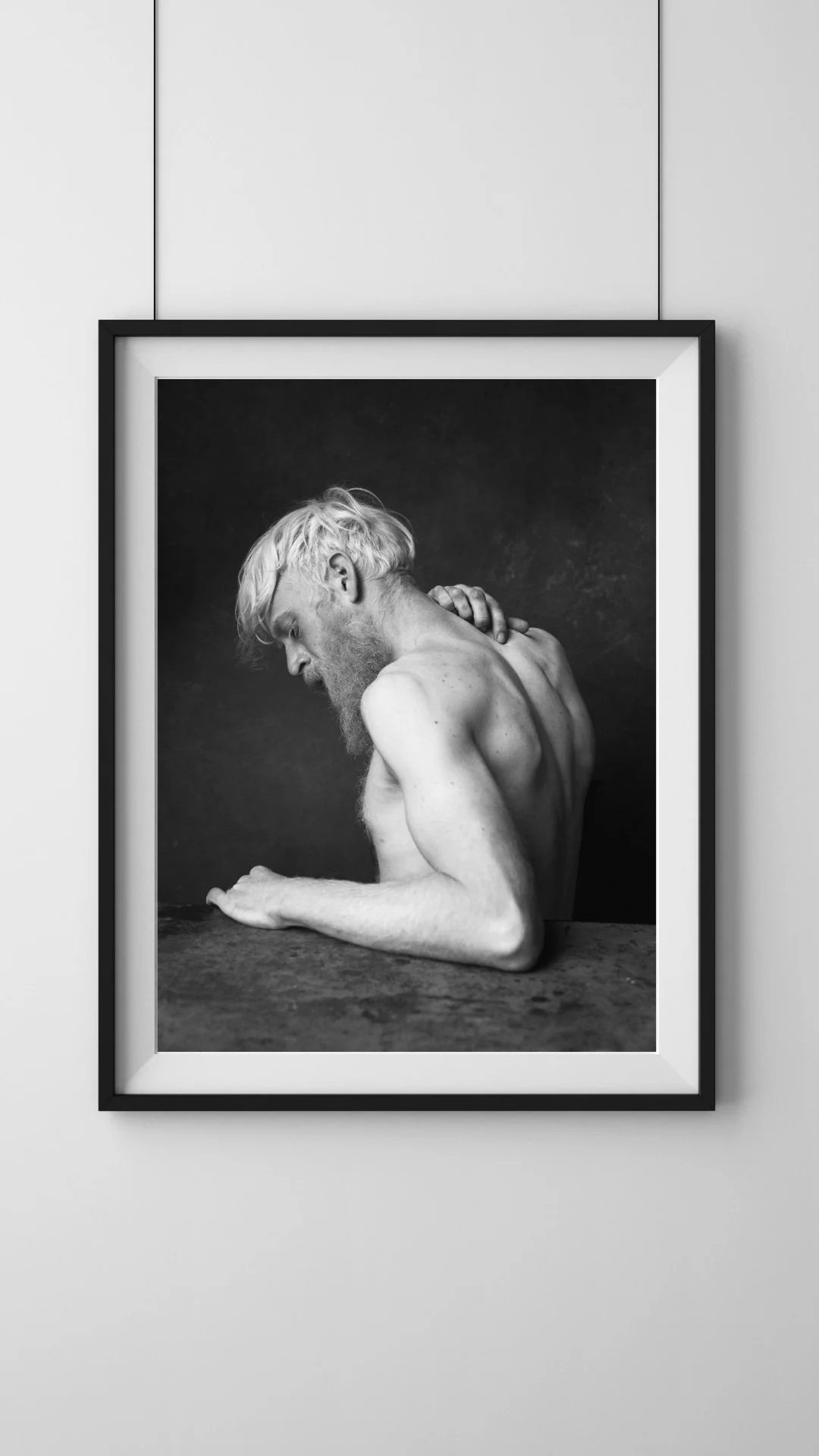
Scale changes the encounter too. A smaller print invites a close, private reading. A larger one gives the portrait a different presence in a room. Choosing a size is therefore also a way of choosing how to live with the image.
06 / BEYOND THE STUDIO
Made to leave the studio with care
The attention continues through packing. Prints are packed with archival materials and shipped in reinforced containers to protect them in transit. The studio can advise on availability, remaining editions and shipping options for a selected photograph.
Ultimately, the purpose of all these decisions is an encounter: a photograph on a wall, a viewer who stops, and the possibility of discovering more in an image over time.
EXPLORE THE COLLECTION